
Care as Cultural Infrastructure
Herbal Medicine, Community Health & Wellness Installations
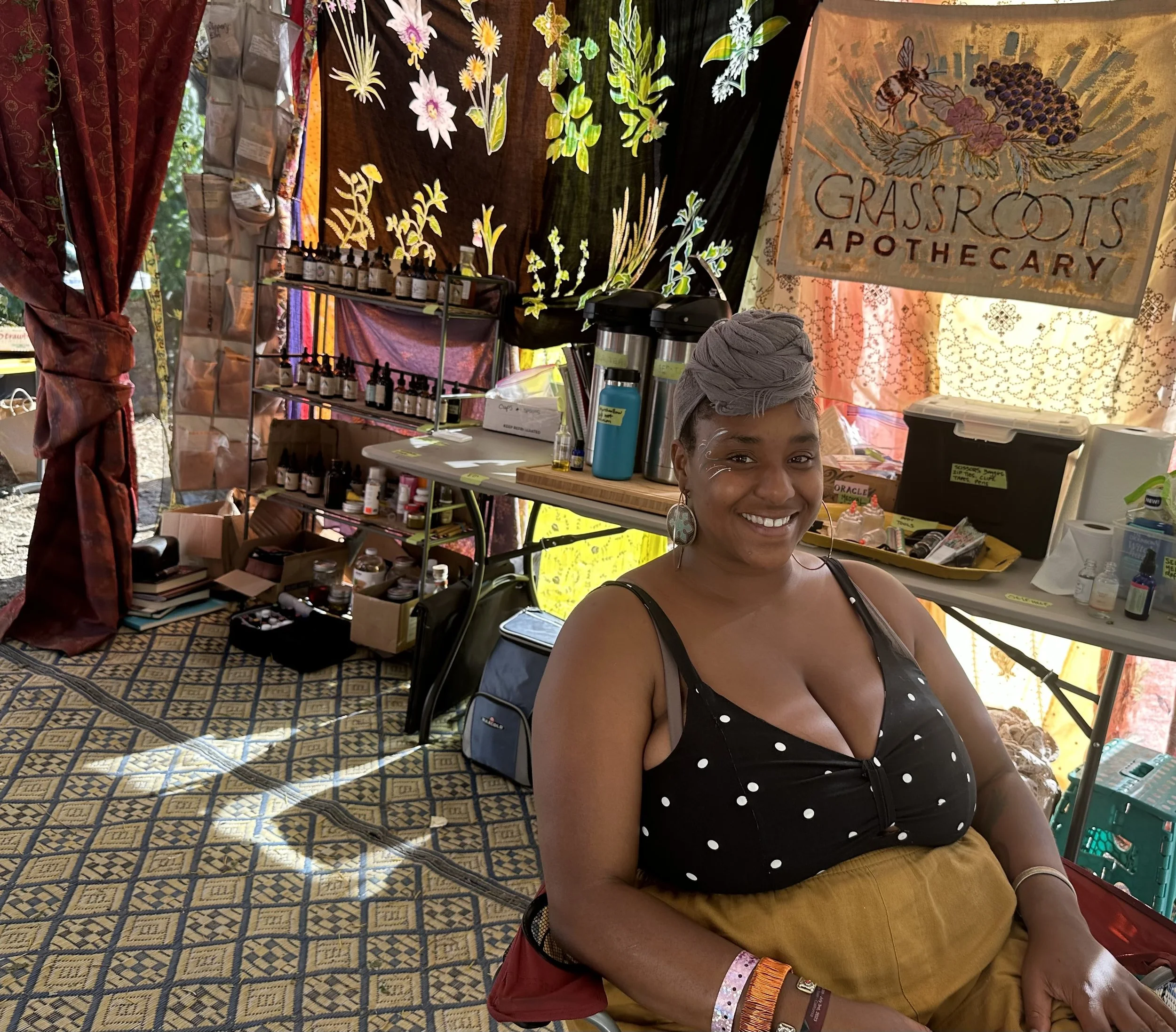
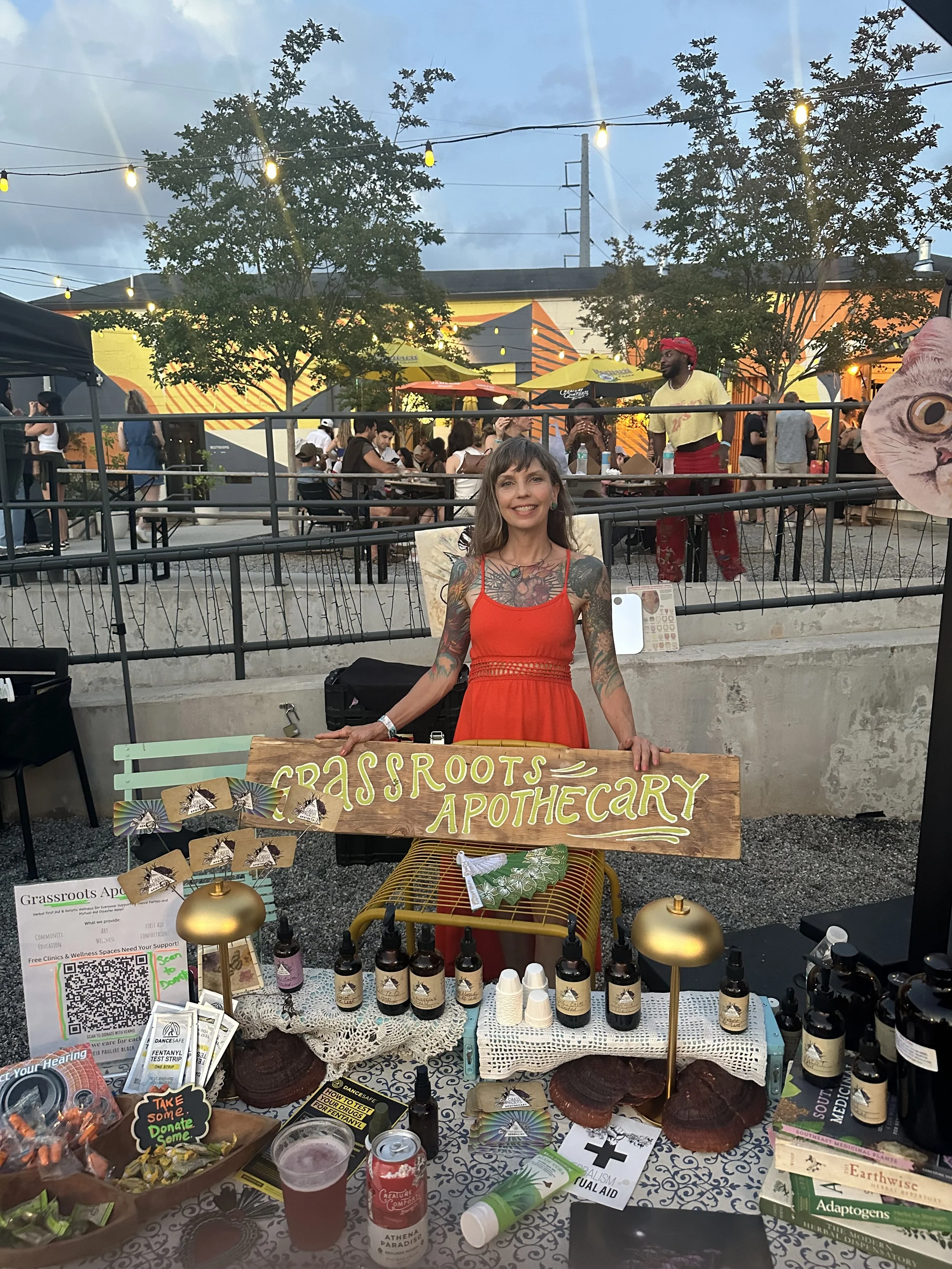
Grassroots Apothecary designs participatory care environments where herbal medicine, hospitality, hydration, wellness education, and risk reduction become part of the culture of a gathering rather than separate services.
When care is intentionally woven into a place, something changes.
People slow down.
People ask questions.
Strangers interact.
Knowledge circulates.
Responsibility is shared.
People don't just receive care. They participate in it.
Care becomes part of the culture.
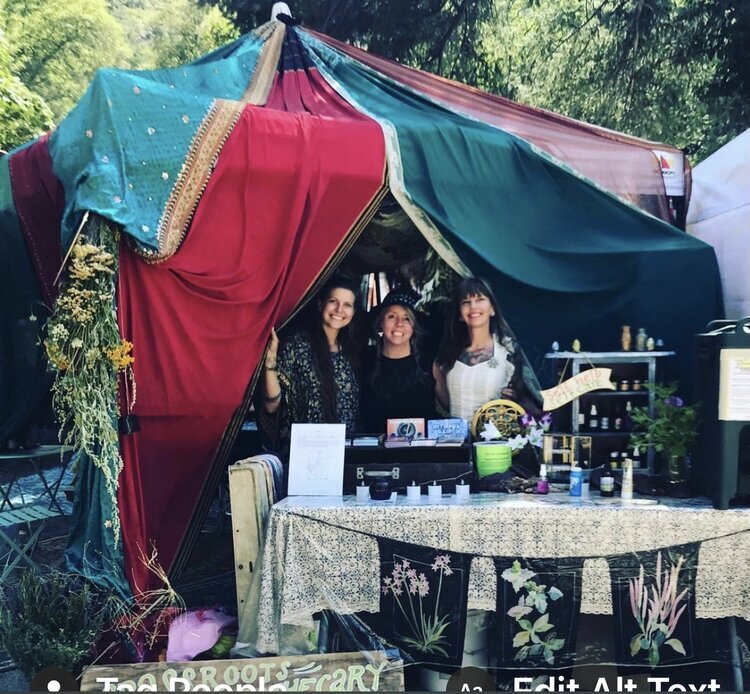
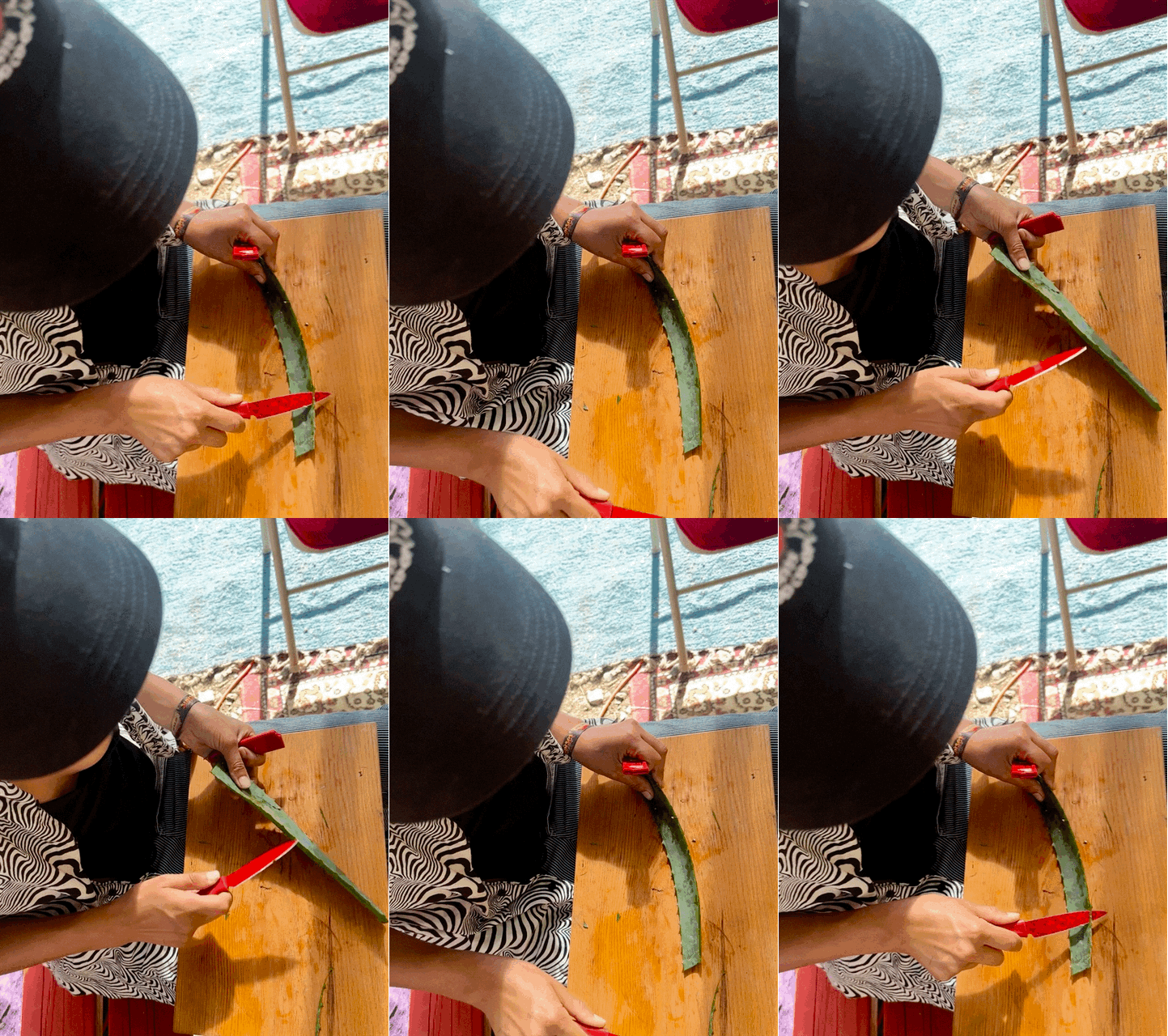
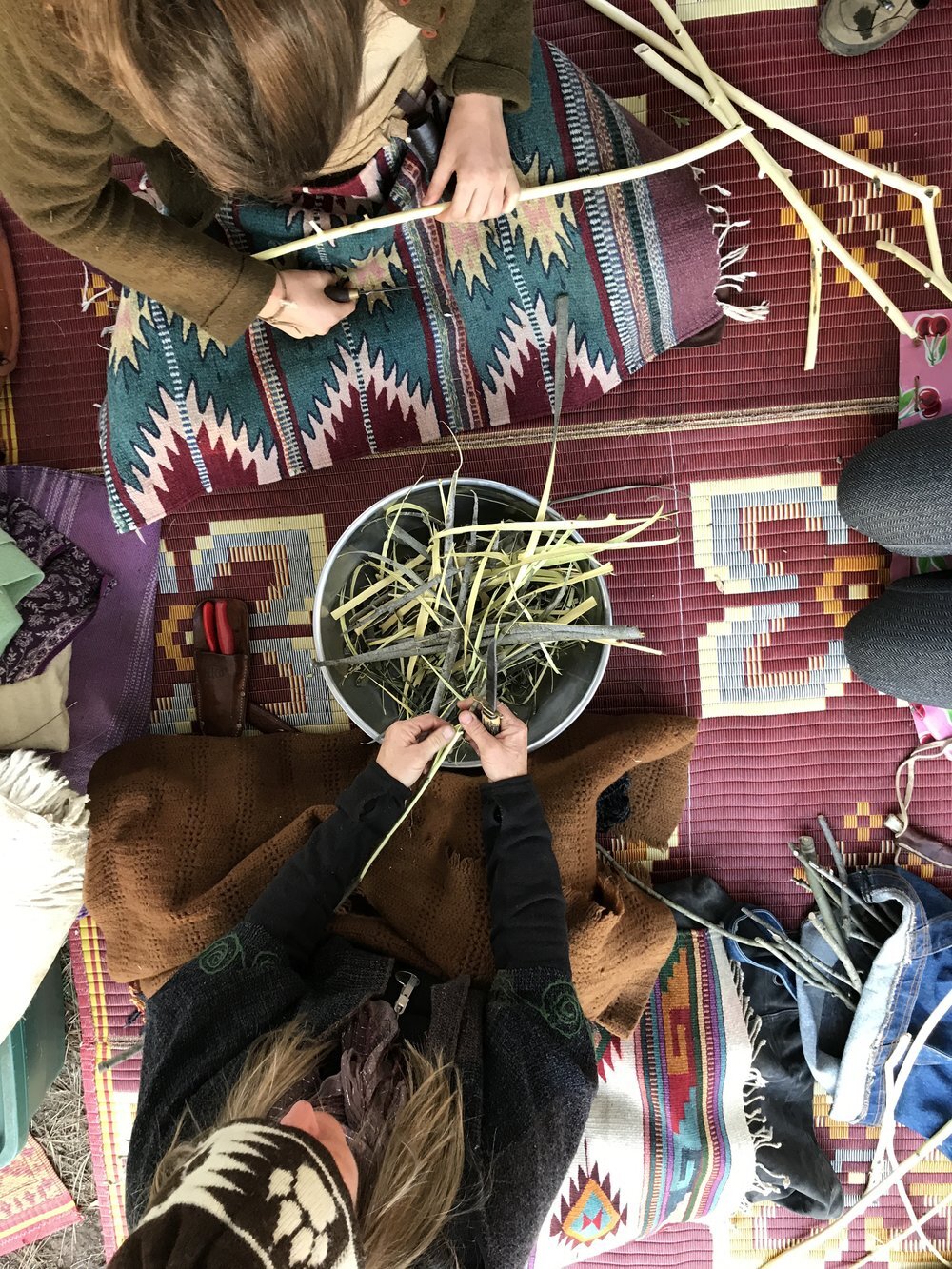
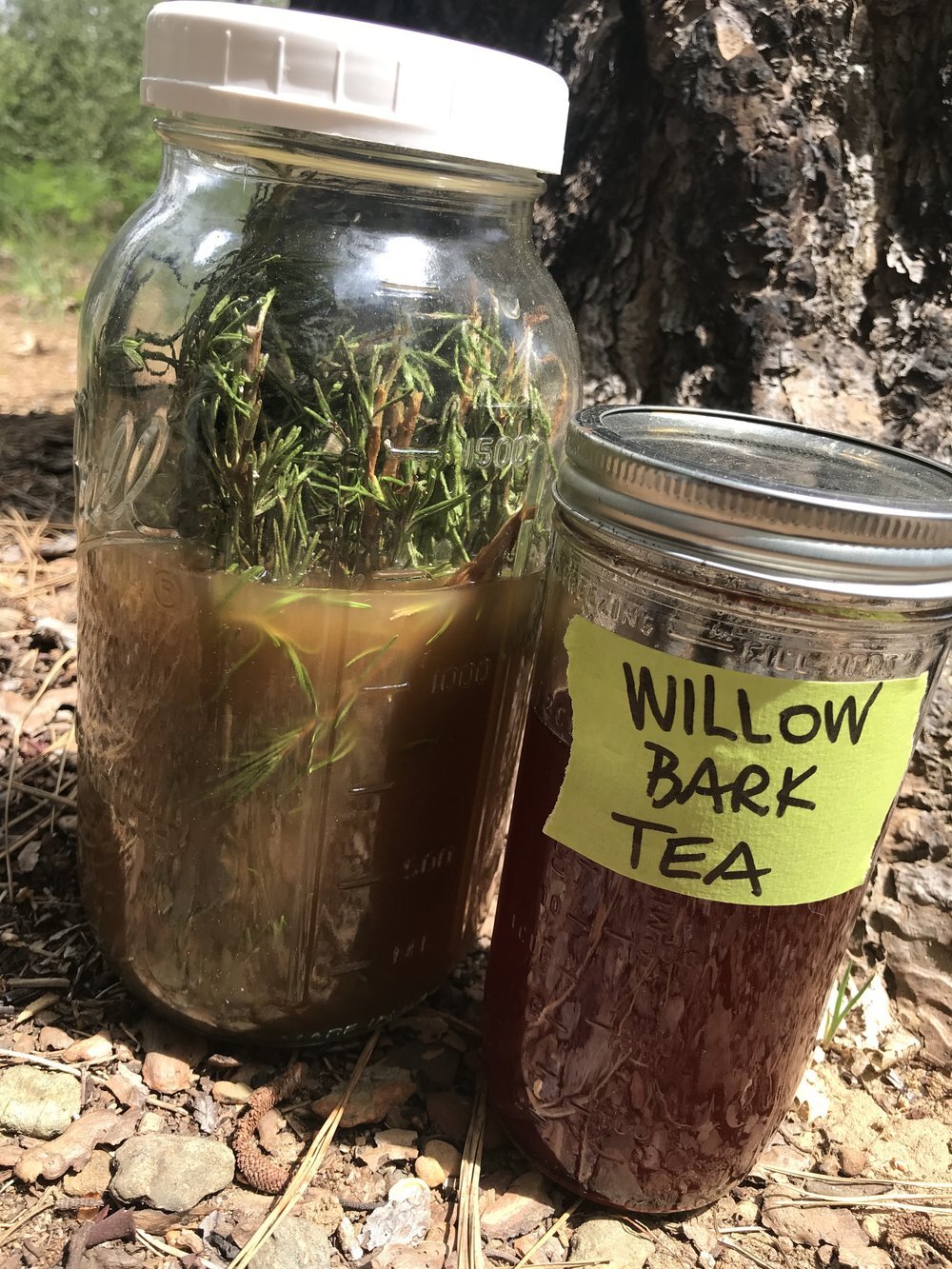
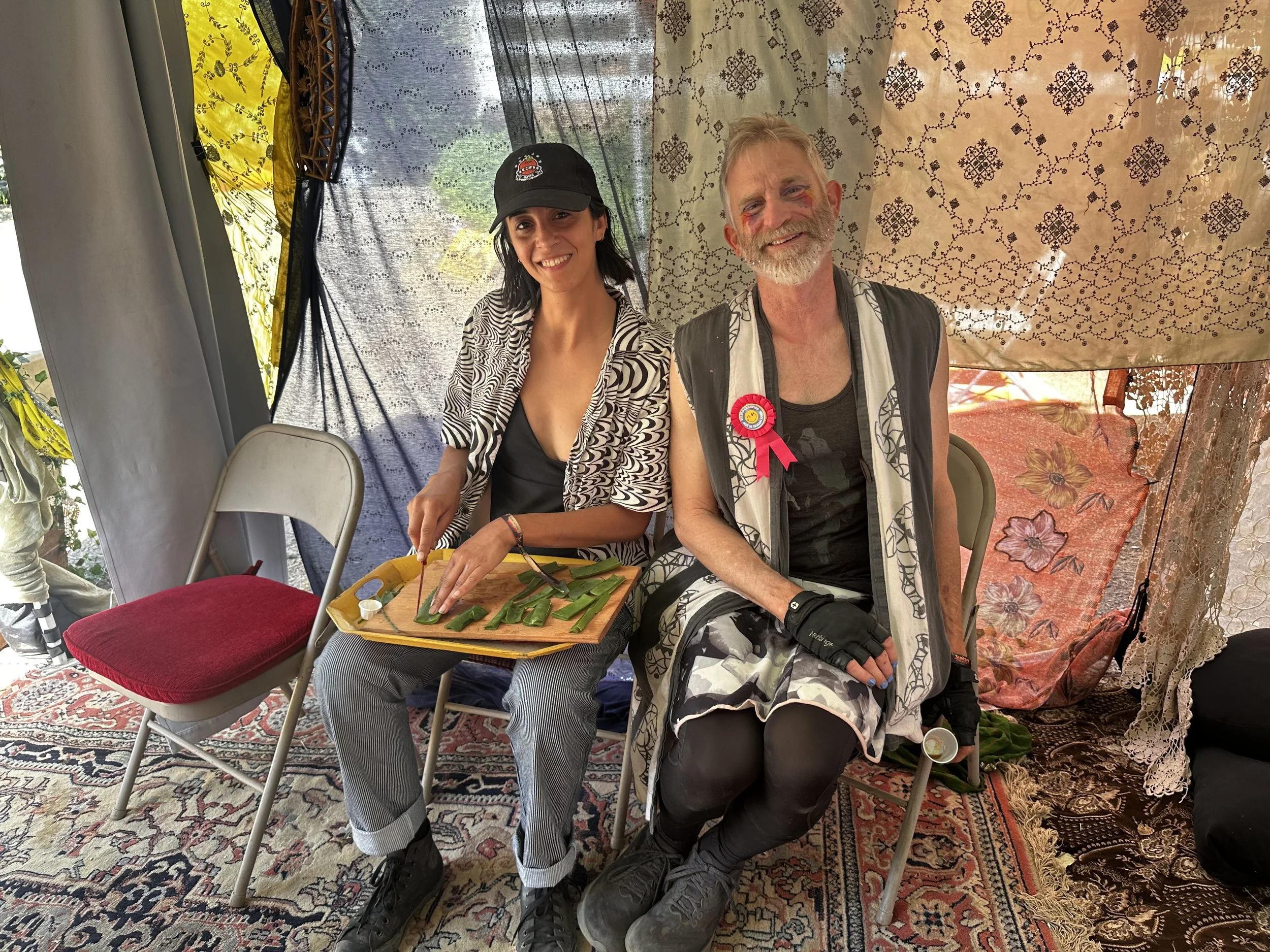
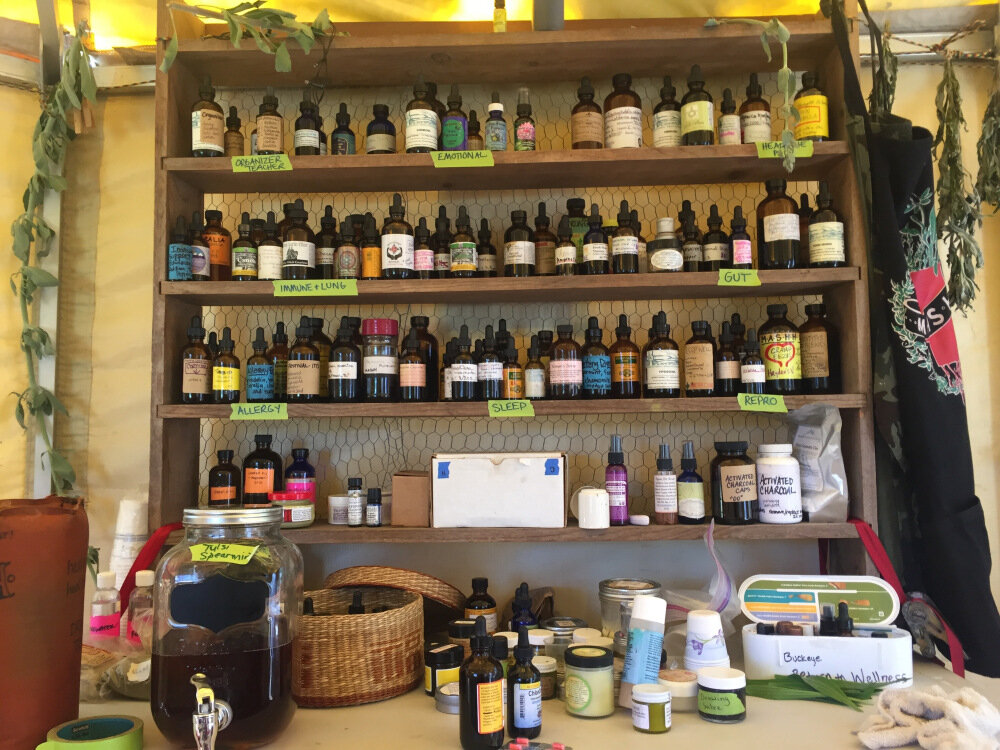
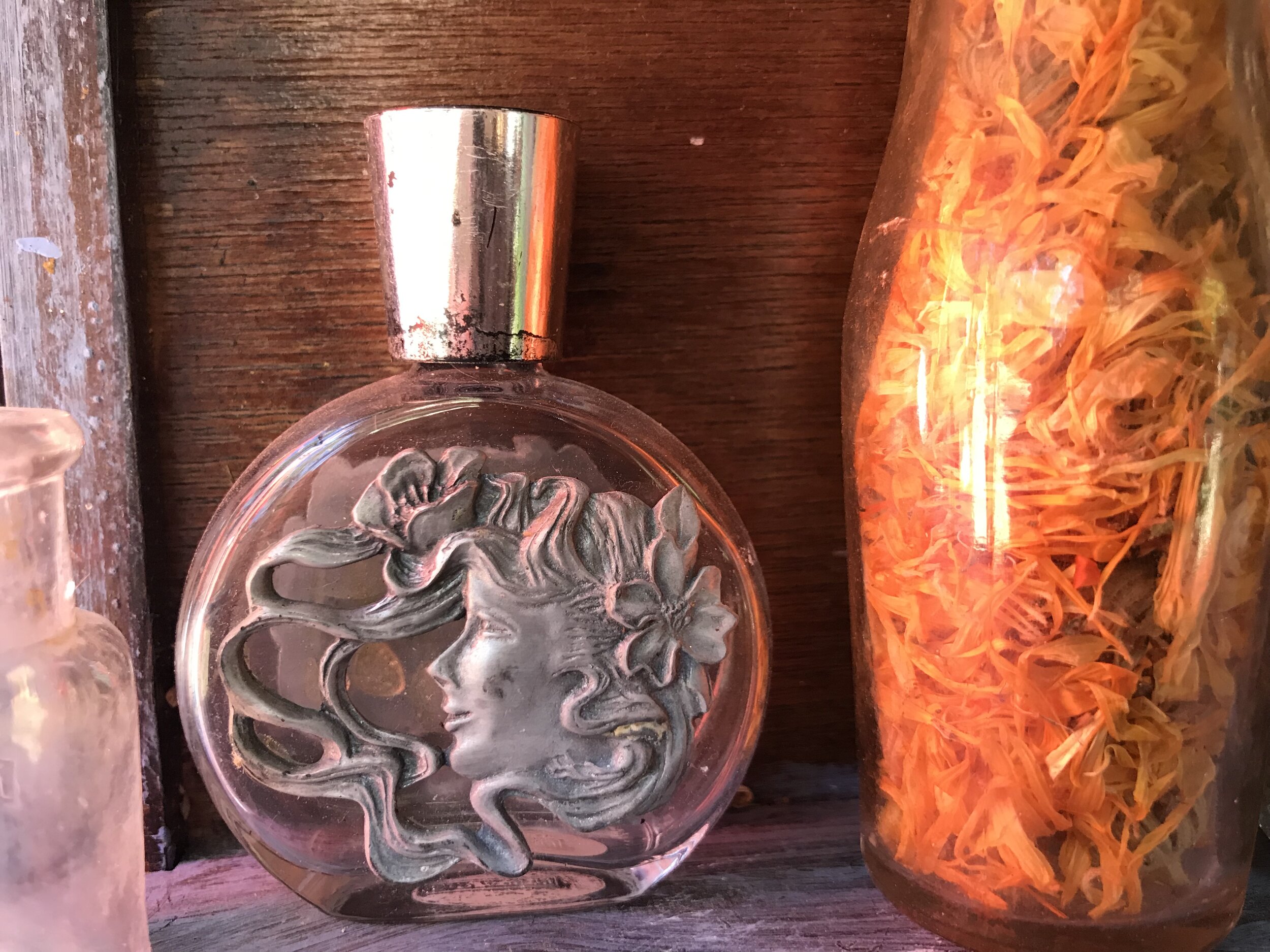
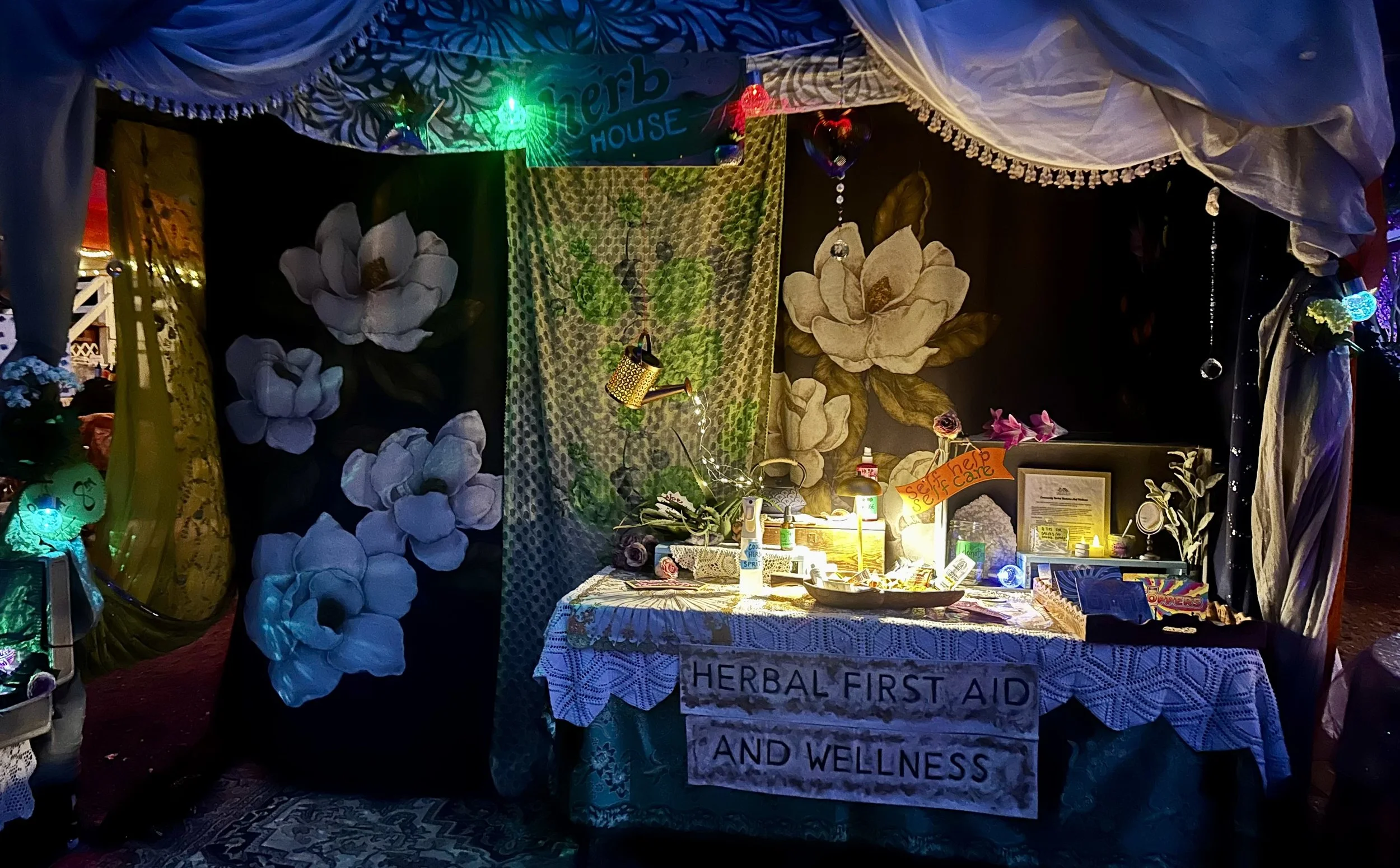
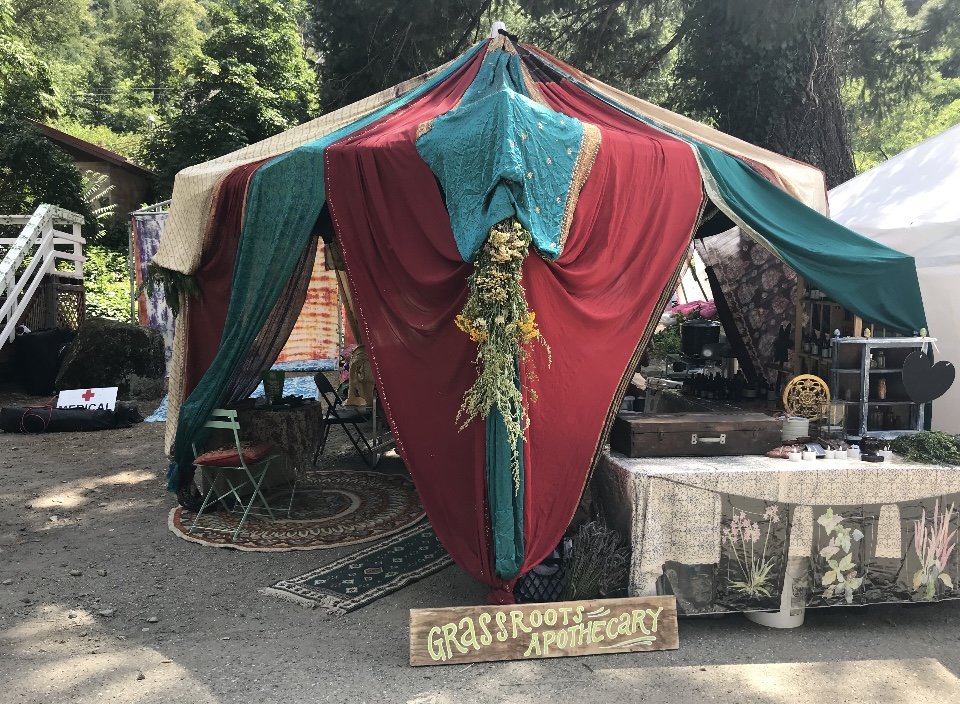
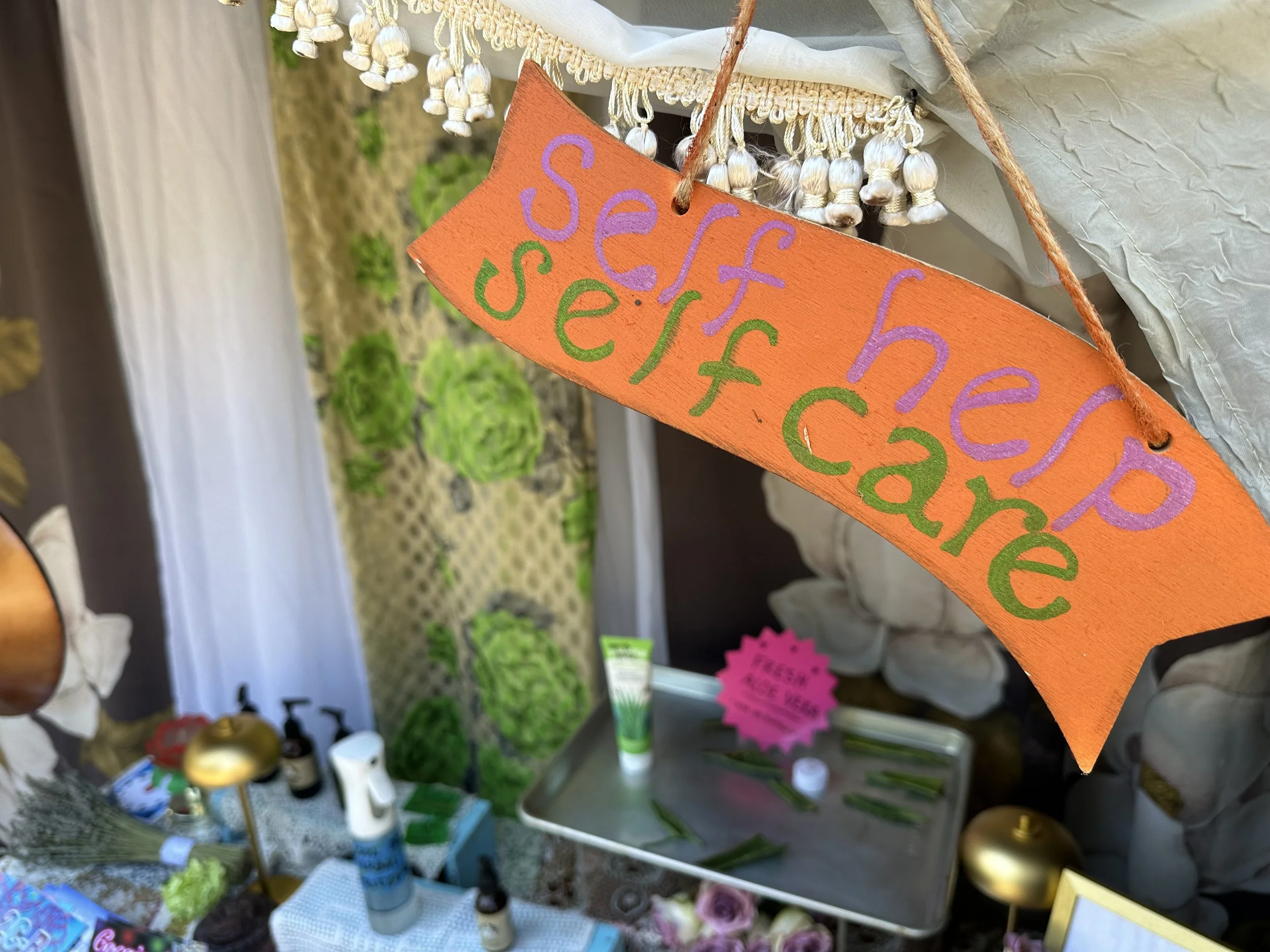
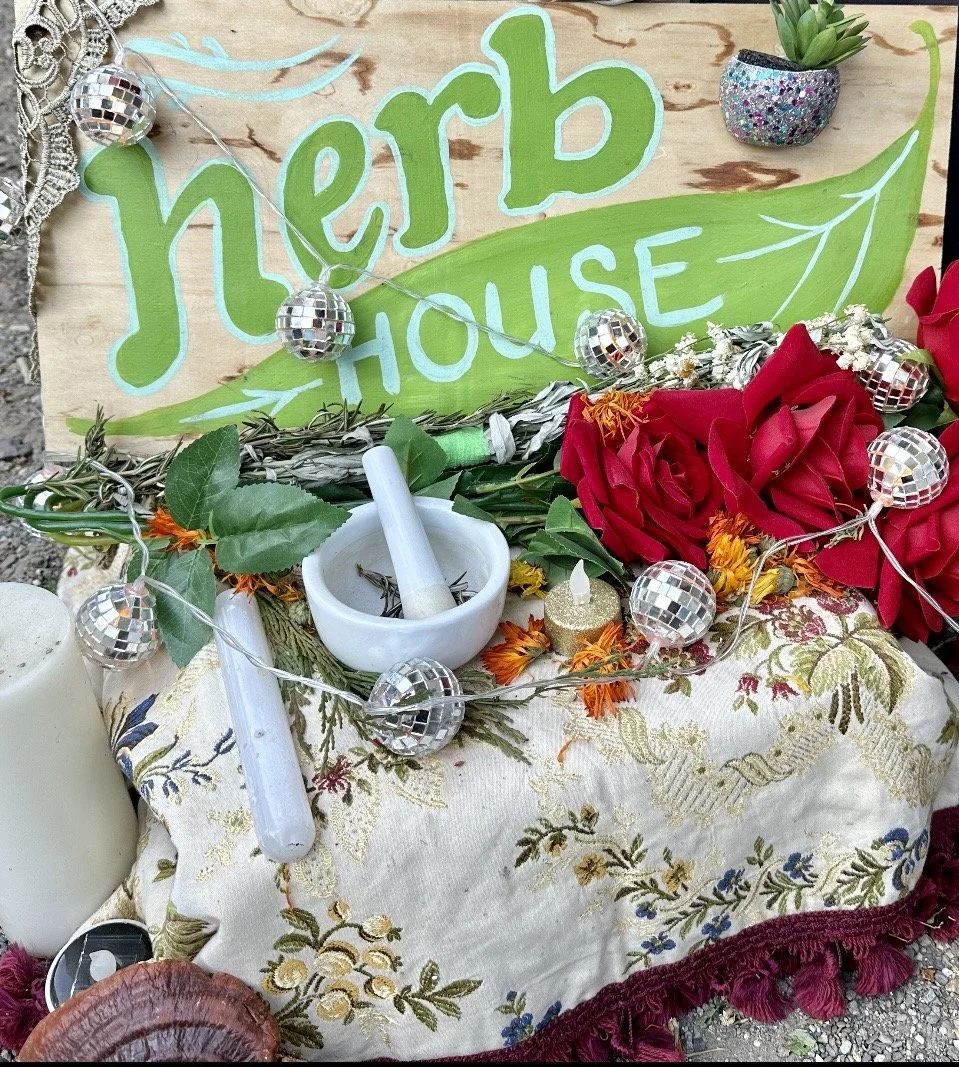
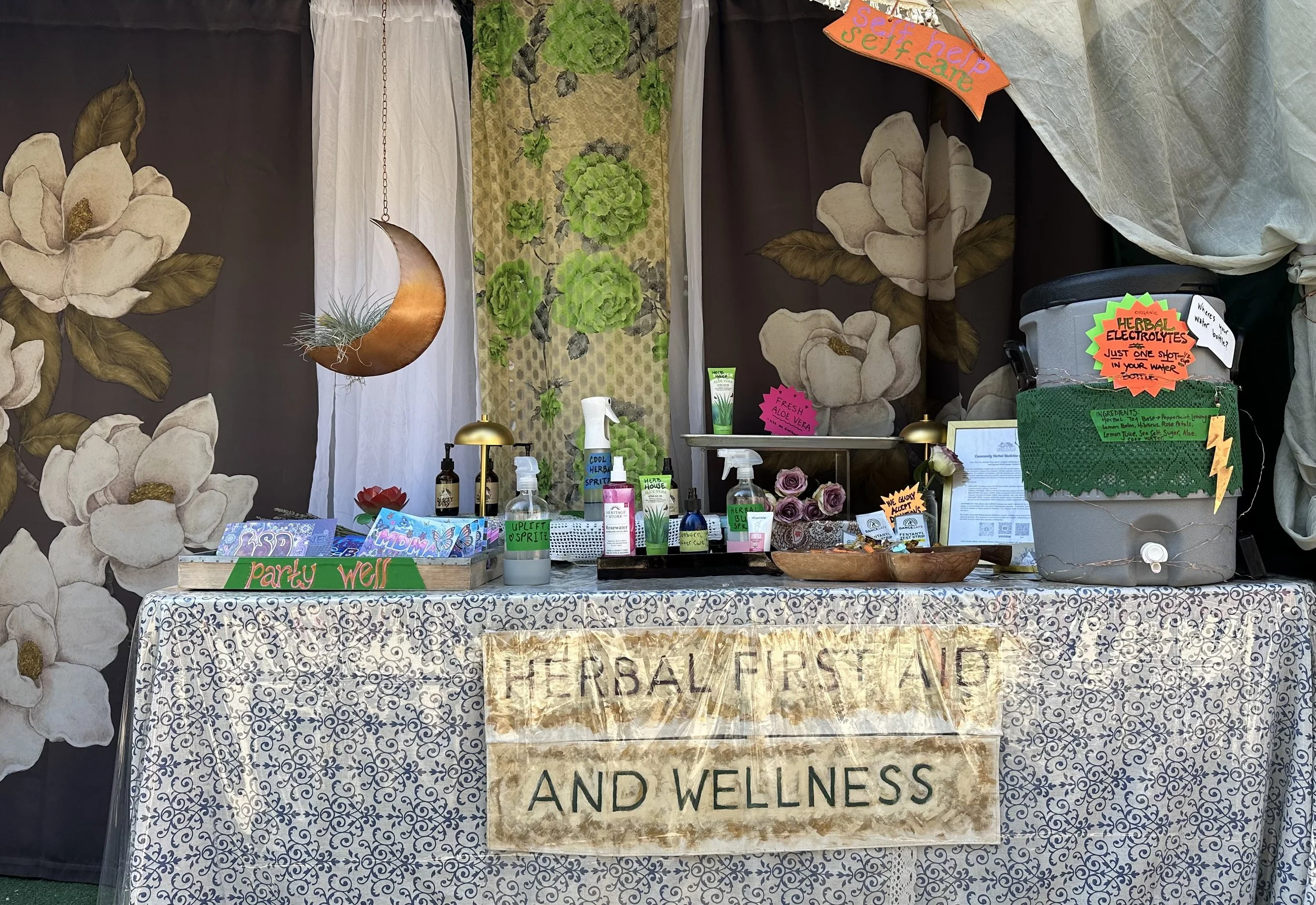
Every installation is both functional care infrastructure and environmental artwork, designed to elevate the plants while inviting curiosity, conversation, and care.Beauty is not decoration. Beauty is one of the oldest forms of invitation. It is one of the ways herbal medicine becomes approachable, memorable, and woven back into everyday culture. Grassroots Apothecary exists to make care visible while restoring relationship with plants as part of everyday life, not simply as remedies, but as teachers, medicine, companions, and living participants in community.
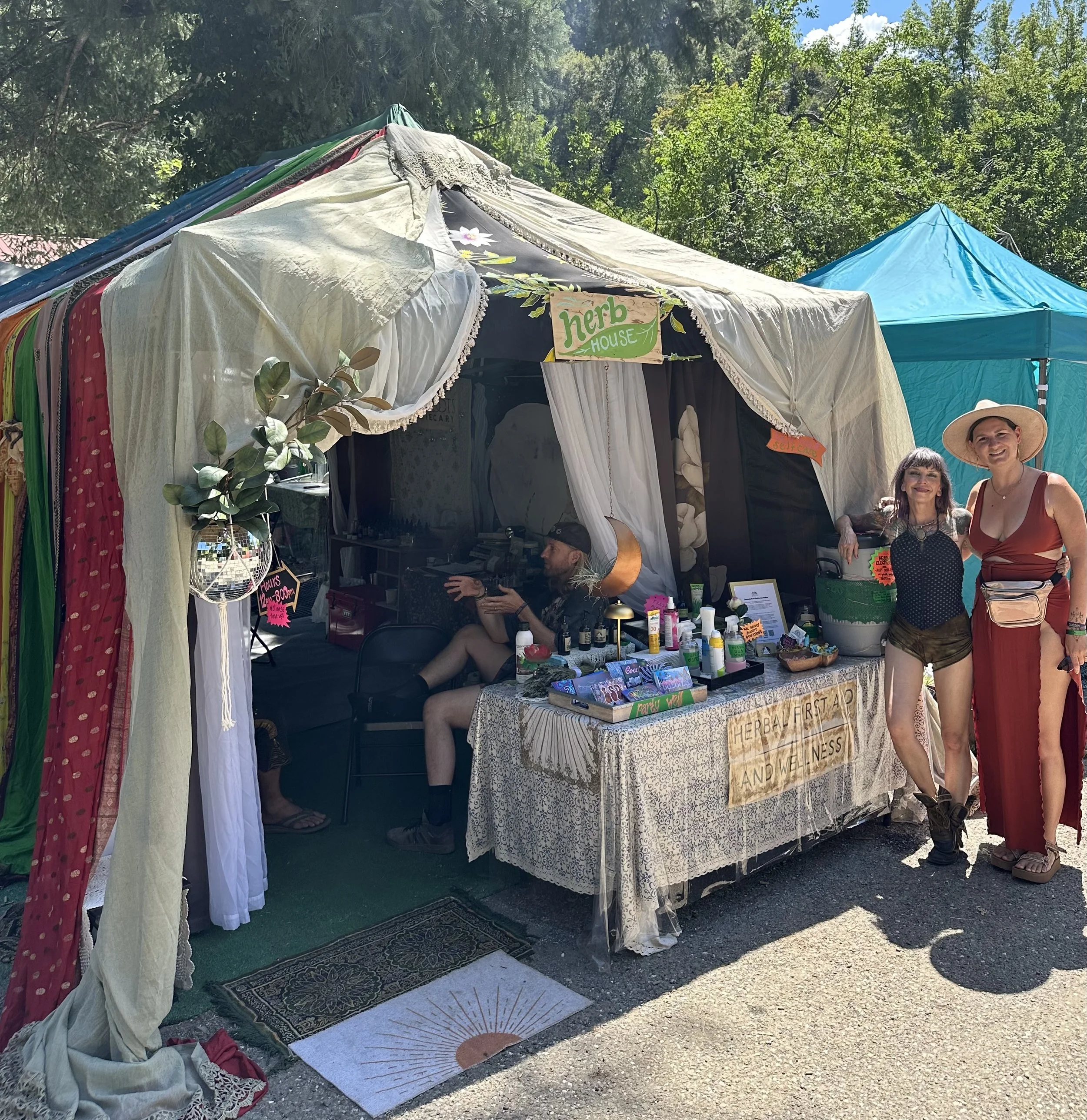
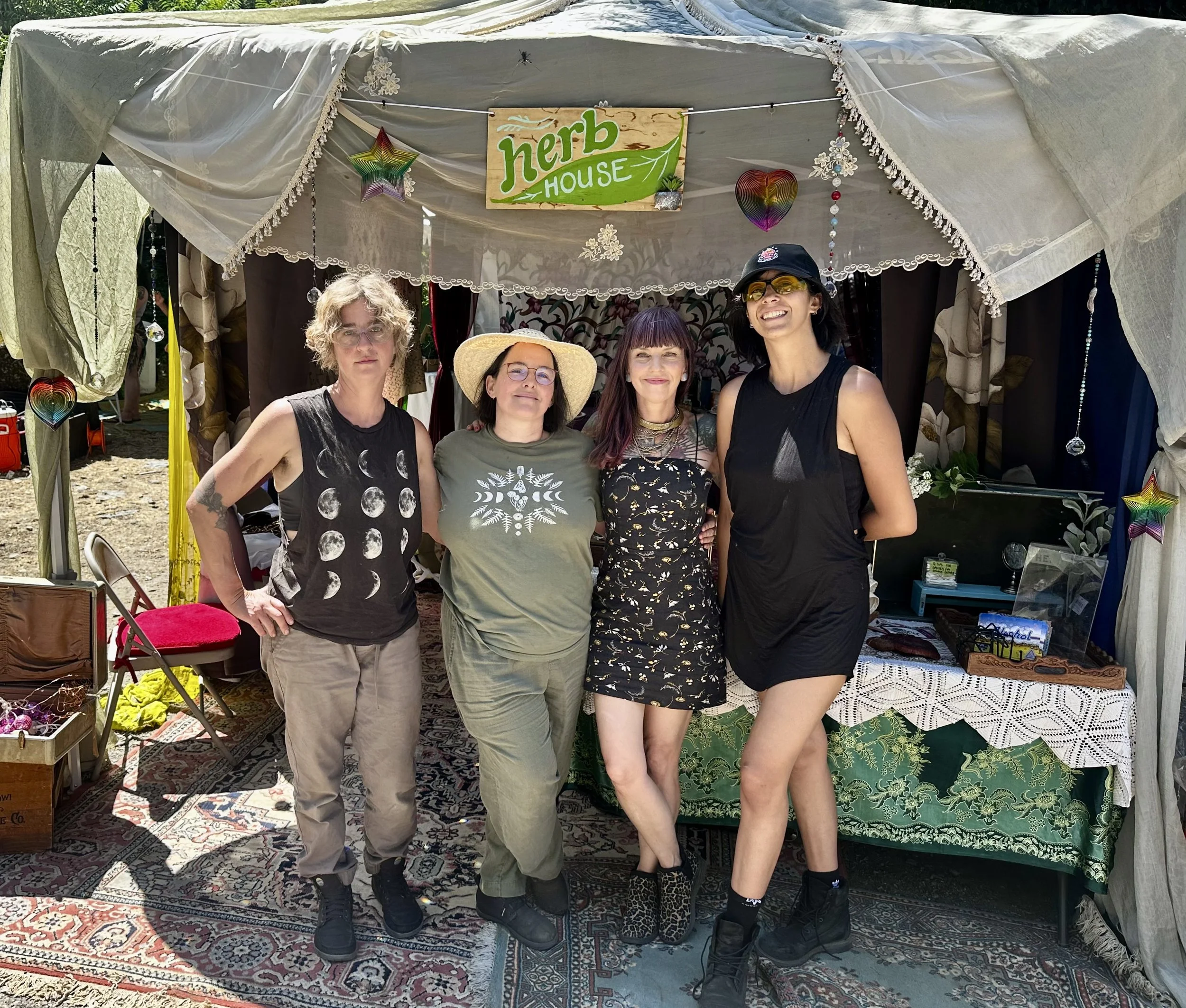
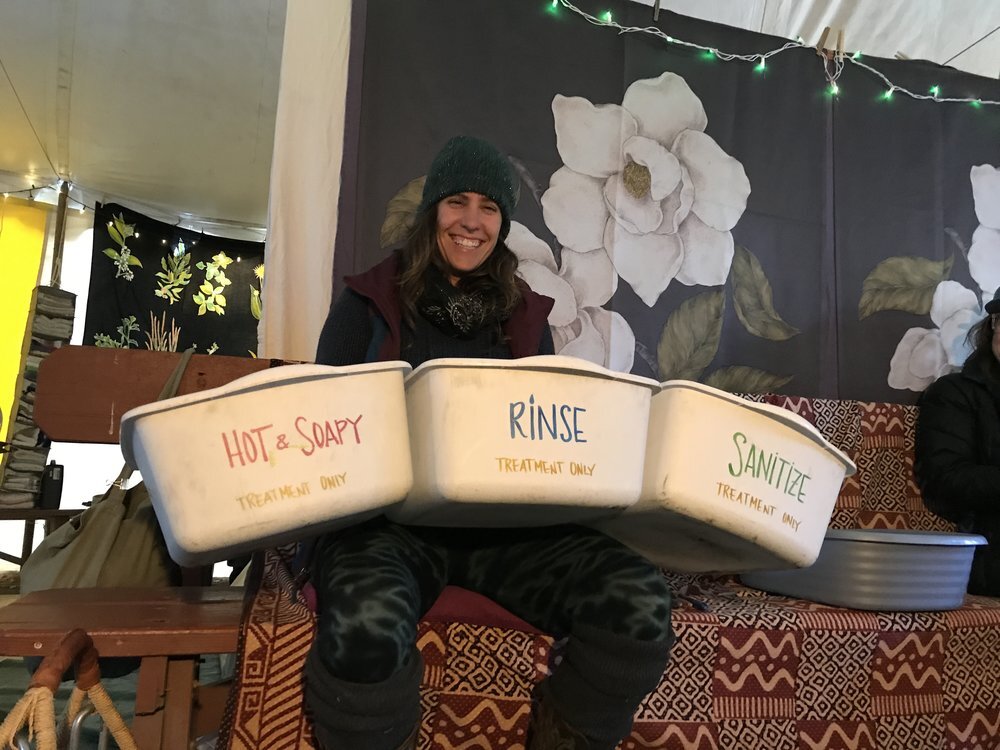
We partner with festivals, gatherings, and community organizations to design and build Community Health Outposts, herbal first aid clinics, and participatory wellness installations that are practical, welcoming, and professionally organized. Every gathering has its own culture, pace, and needs. Rather than decorating a clinic, we create environments where the plants become the hosts and people are their guests. The clinical work, hospitality, education, and operations are all arranged to support that relationship. Each installation responds to the ecology of the gathering while remaining rooted in herbal medicine, hospitality, education, and community care. When systems are clear and well held, care becomes visible, trust is sustained, and communities are better able to care for themselves and one another.
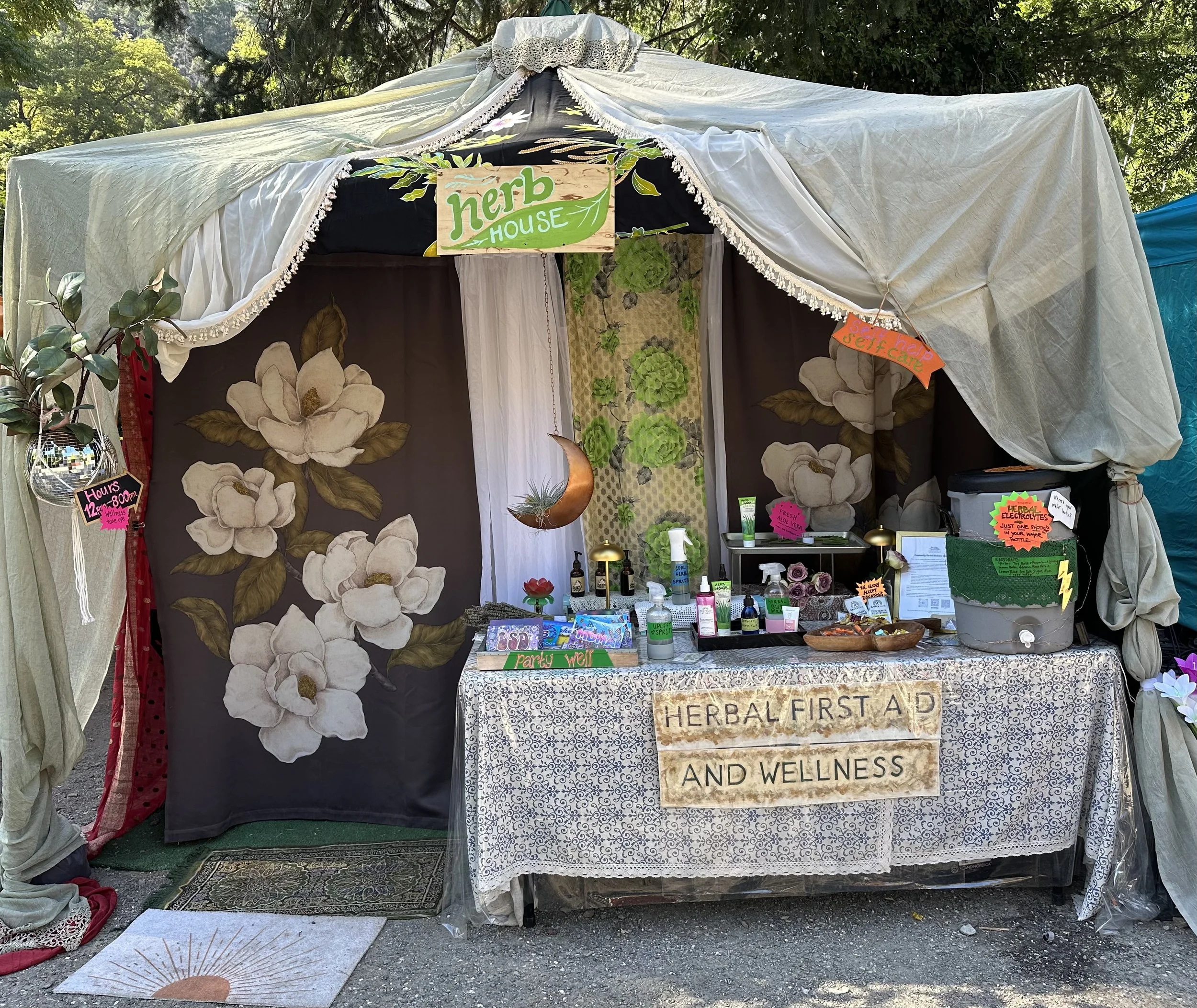
This work exists at the intersection of care, culture, and survival. Crossing the threshold into one of these spaces is intentionally different from walking up to a table for help. People slow down. They linger. The space draws people toward the plants. They ask questions they didn't know they had. Beauty, hospitality, and environmental design invite participation before a single word is spoken.
Why a Community Health Outpost?
Grassroots Apothecary integrates clinical herbalism, hydration, hospitality, education, and risk reduction into one coordinated environment designed to help people care for themselves and one another.
Addressing small concerns early often prevents them from becoming larger ones. A thoughtfully designed wellness space supports participants, reduces unnecessary strain on medical teams, and contributes to a calmer, healthier, and more connected event culture.
Designed as immersive environments rather than simple service stations, Community Health Outposts weave together herbal medicine, hospitality, education, and thoughtful design into places people naturally want to inhabit. People rarely arrive intending to learn about herbal medicine. They enter because something invited them to pause. The environment opens the conversation. The plants do the rest.
Community Health Outposts
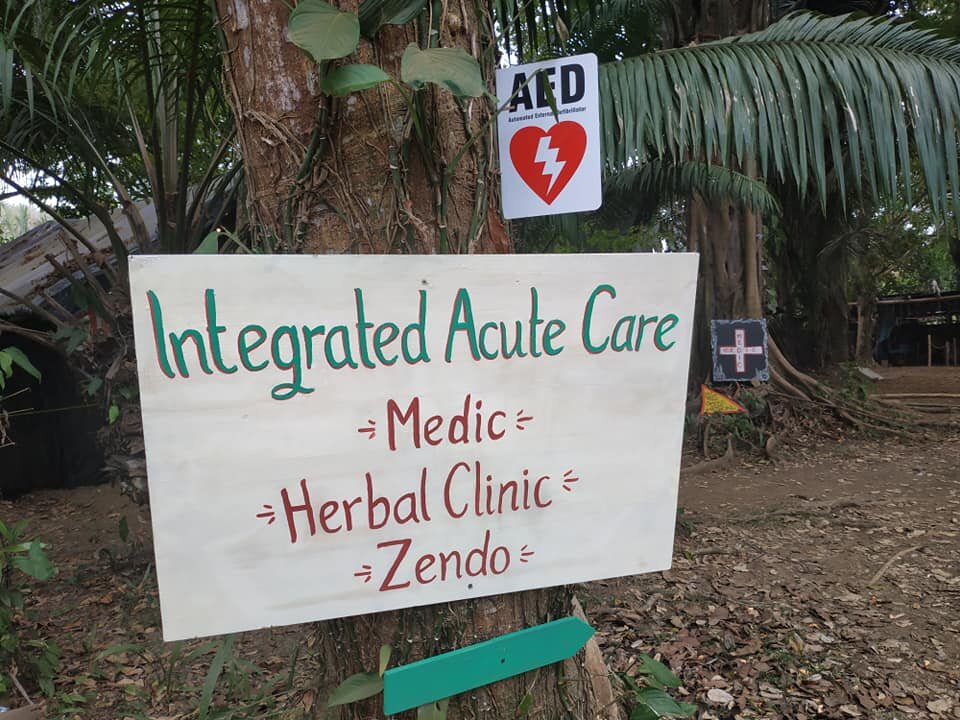
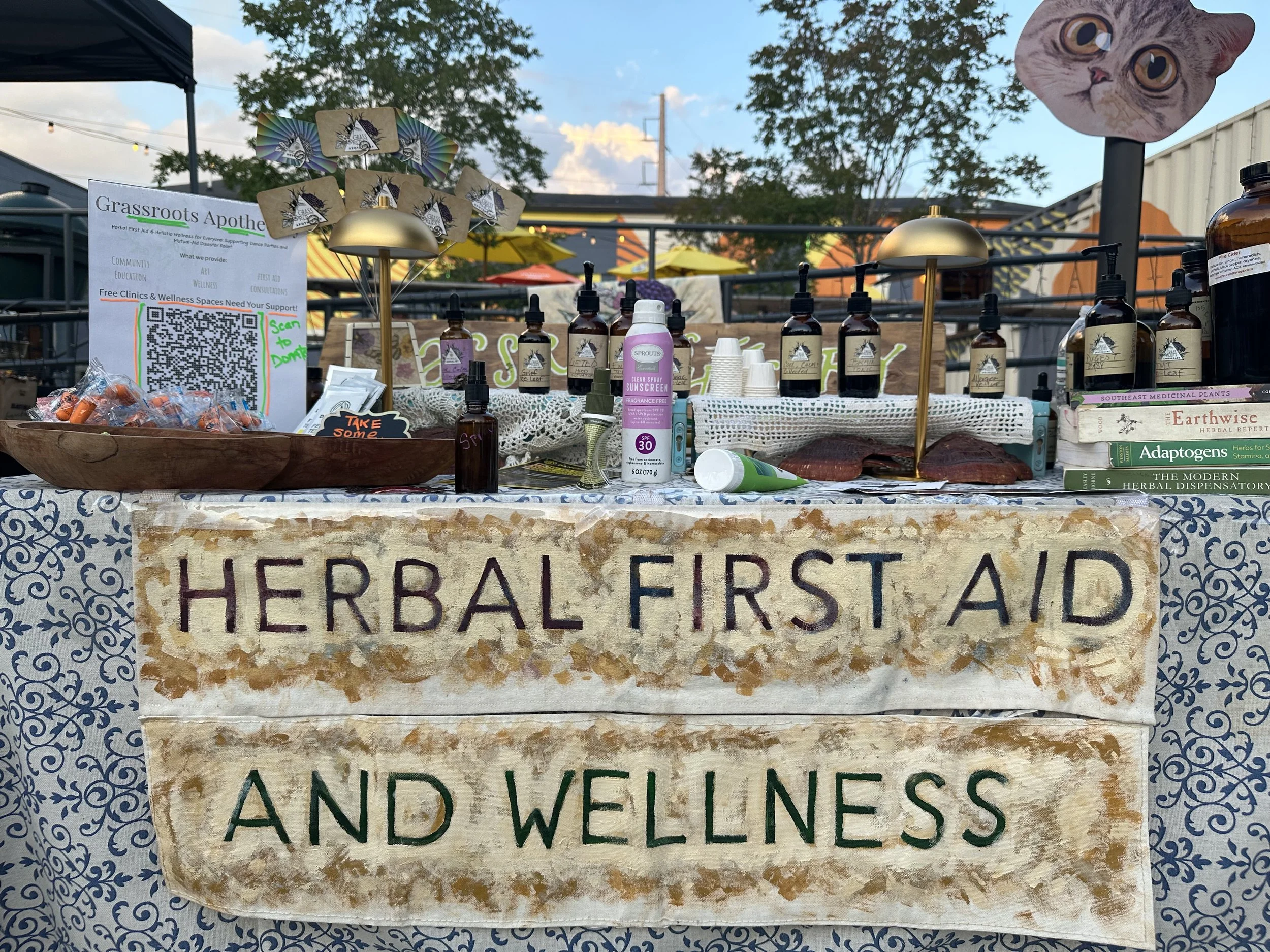
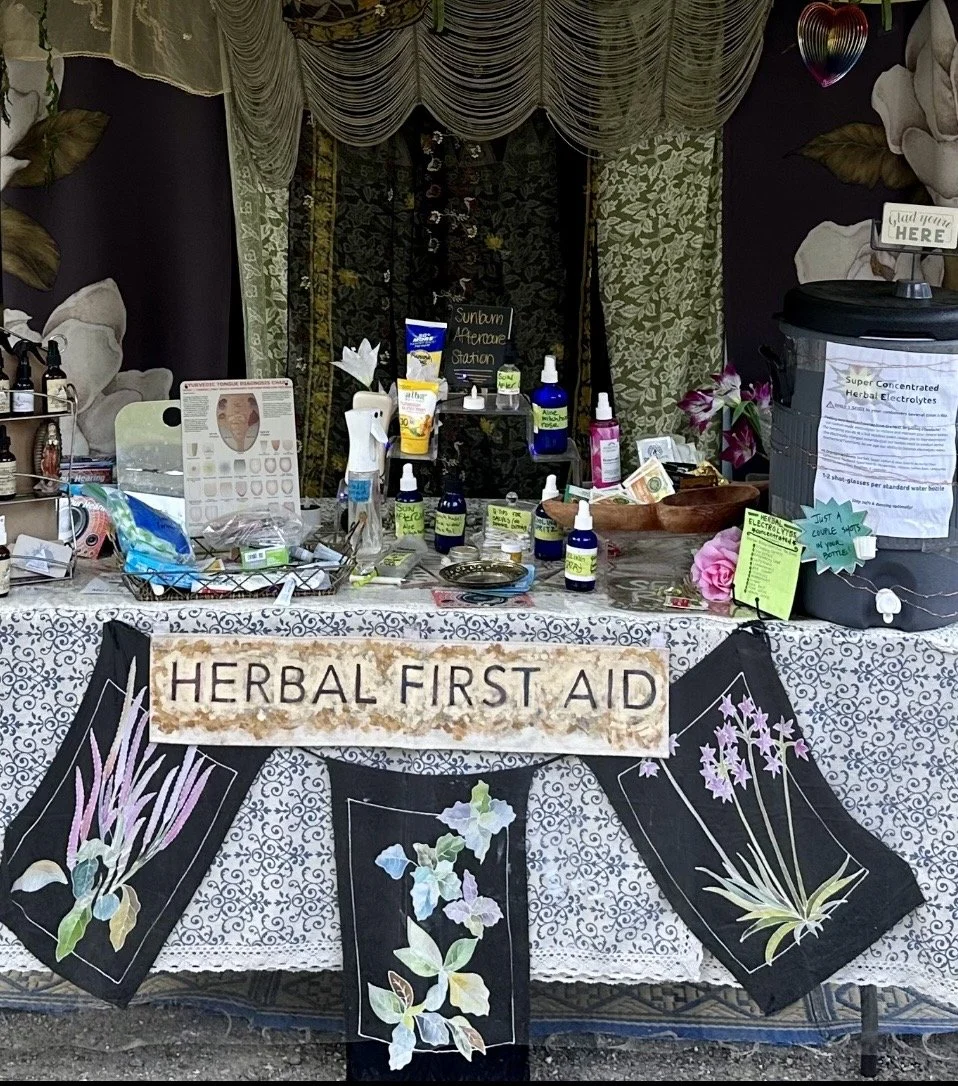
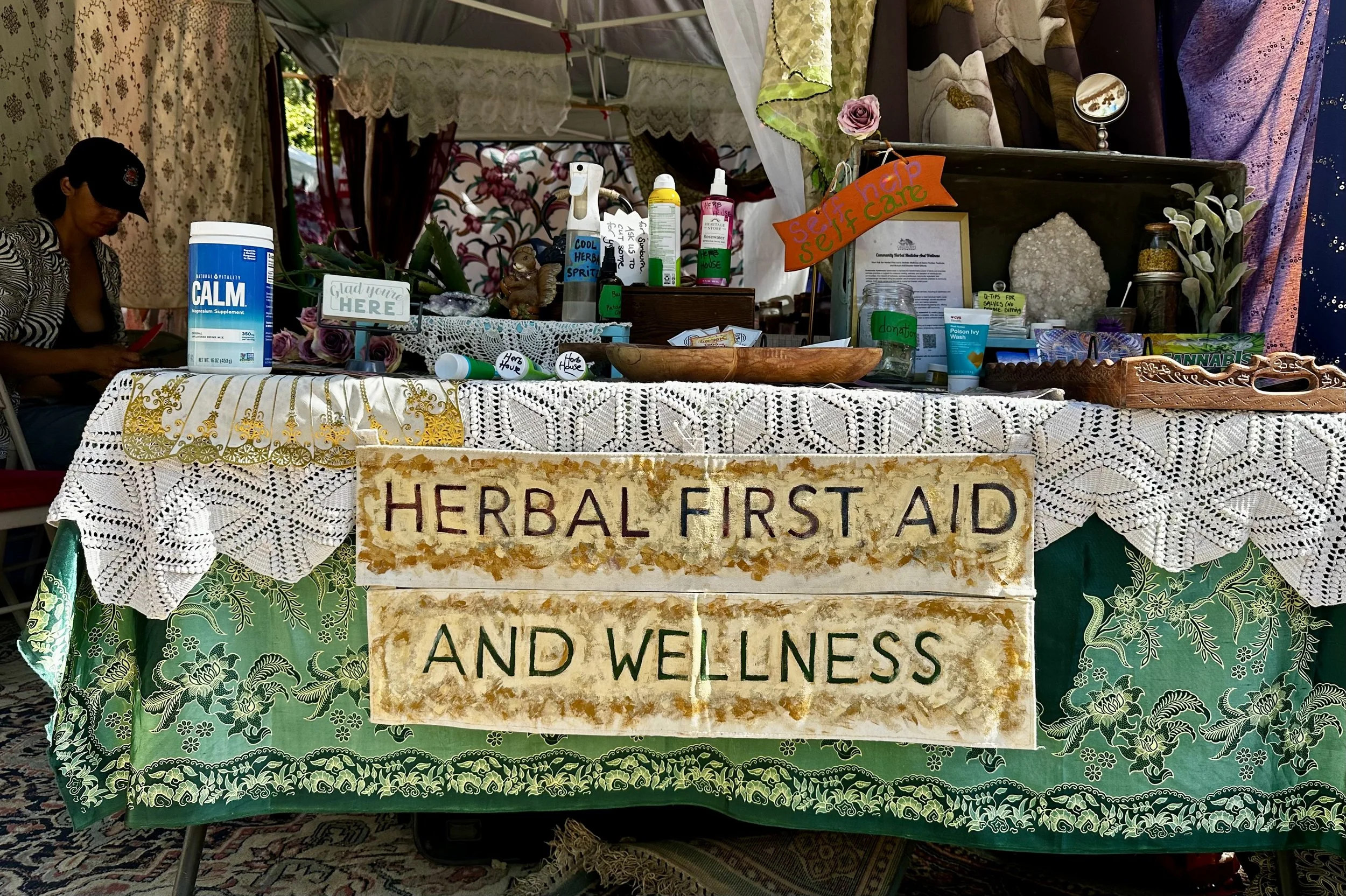
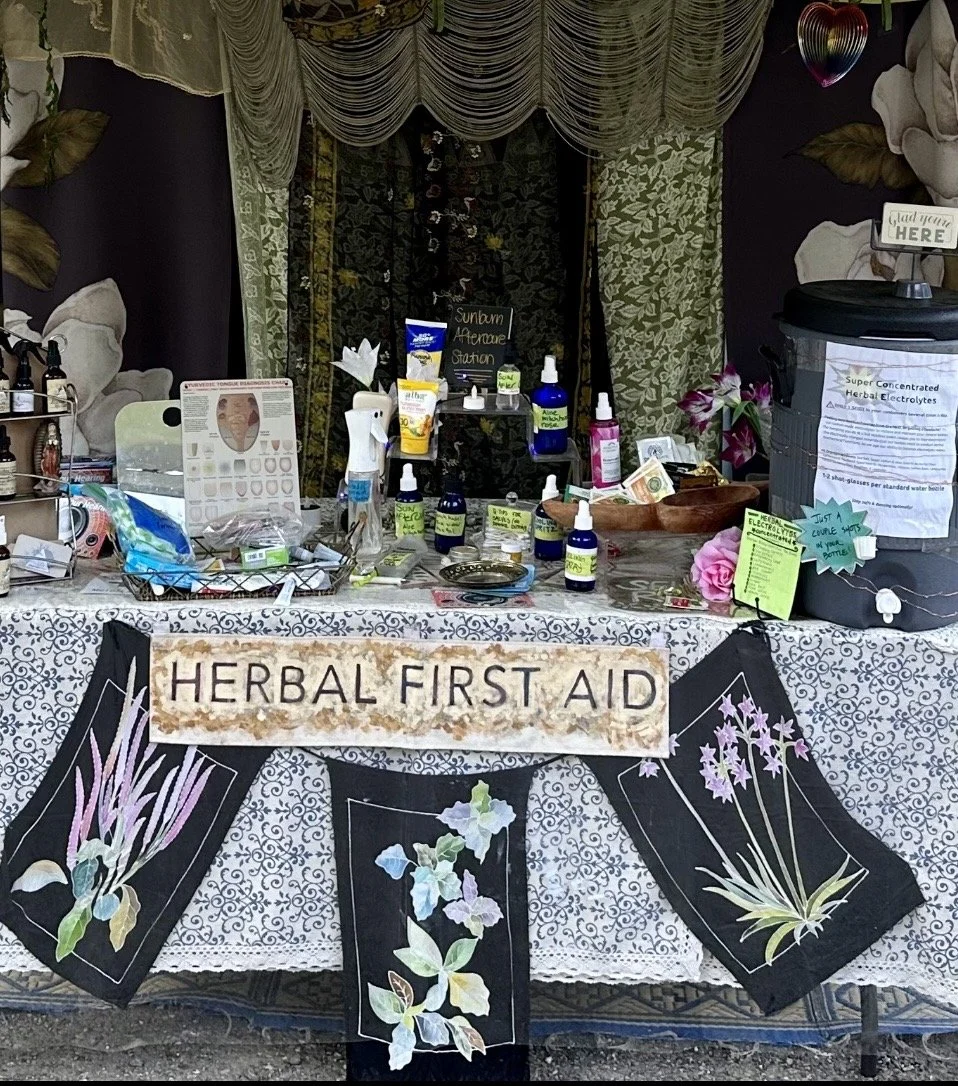
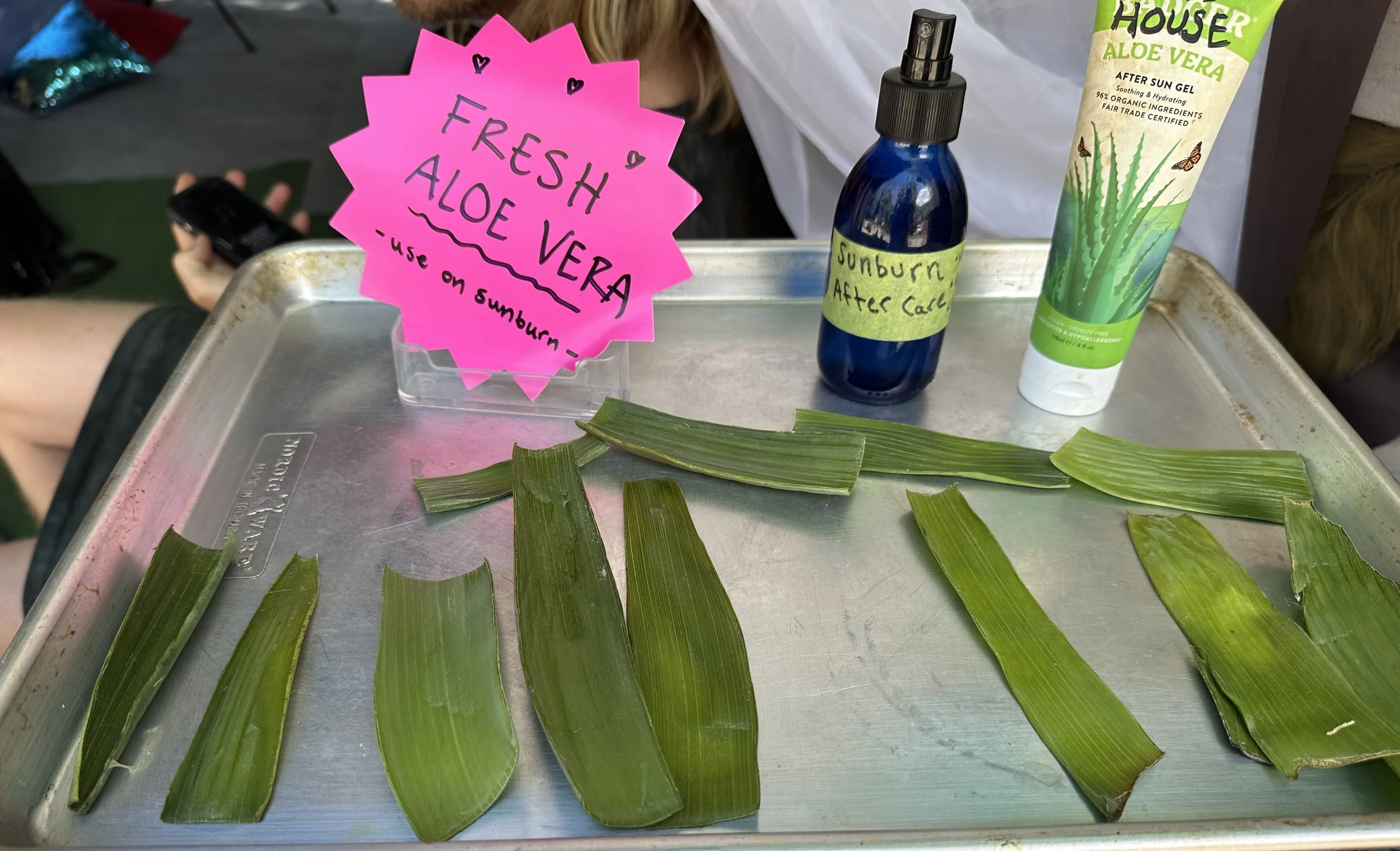
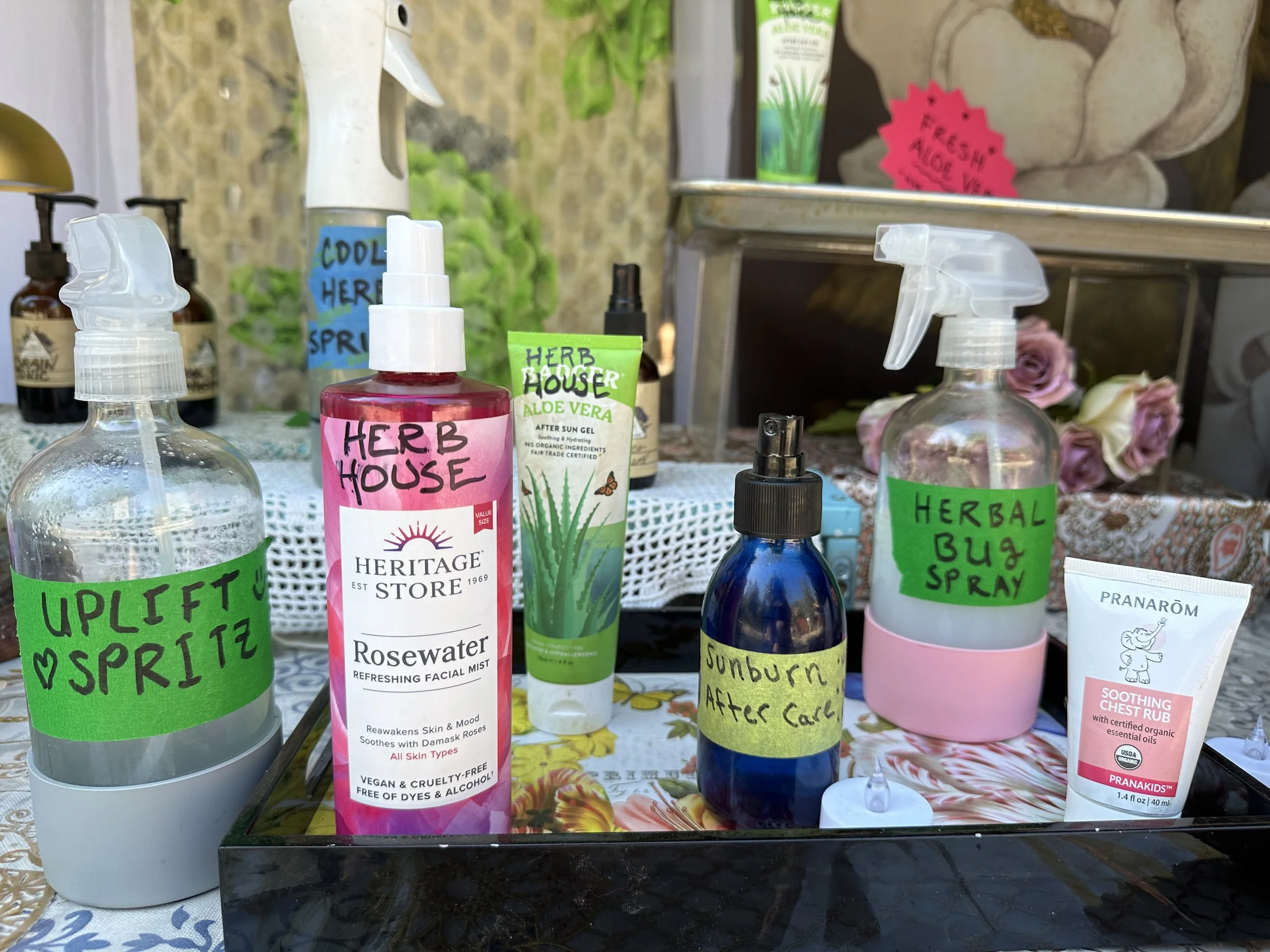
Community Health Outposts are adaptable. They may range from a small herbal wellness station to a fully staffed herbal first aid clinic integrated alongside medical and risk reduction teams. Depending on the needs of the gathering, they may include:
Herbal Medicine
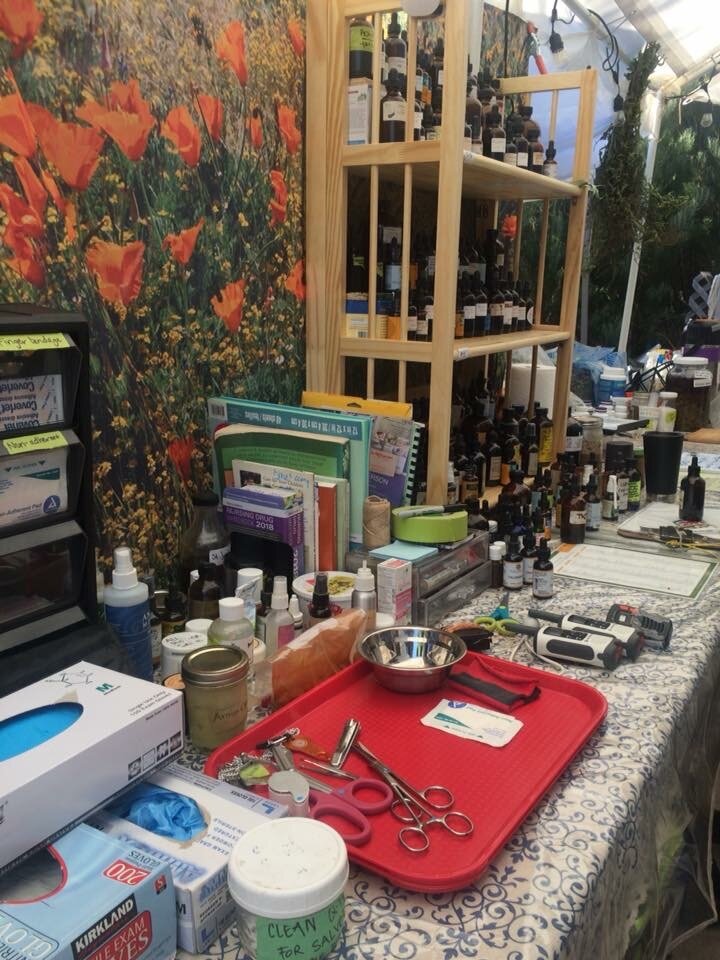
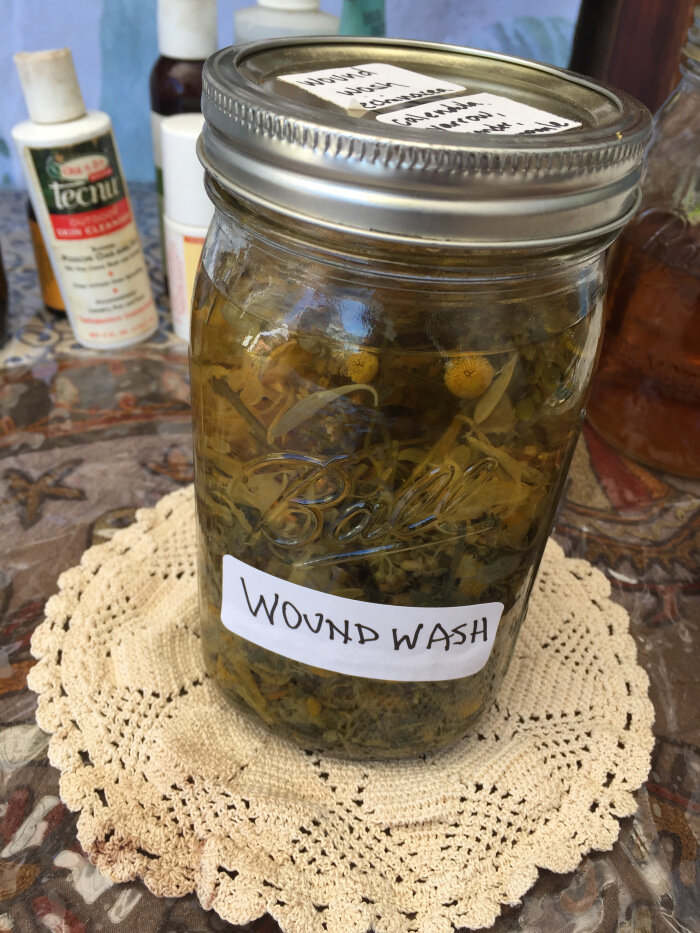
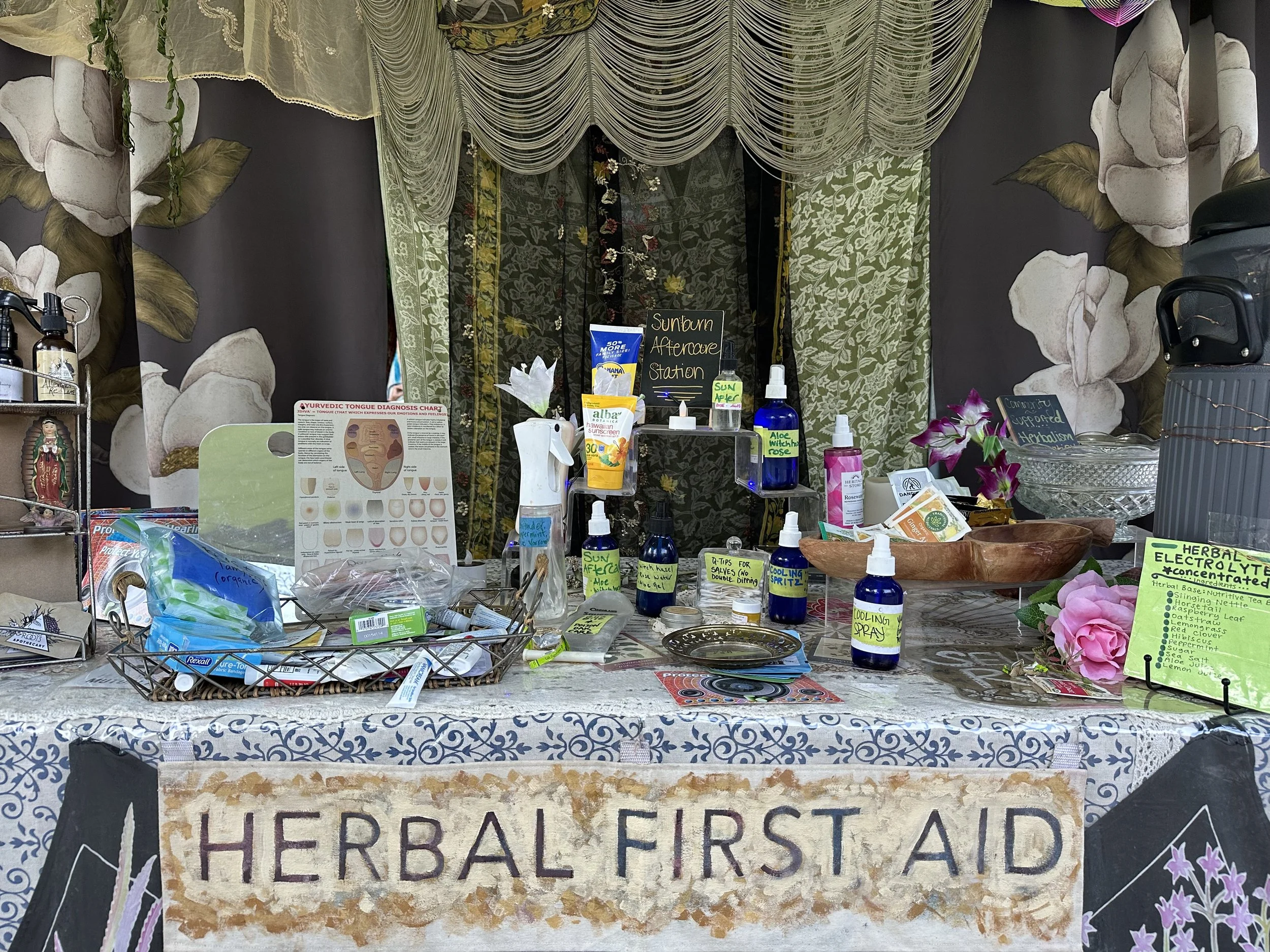
Clinical herbal first aid
Mini consultations
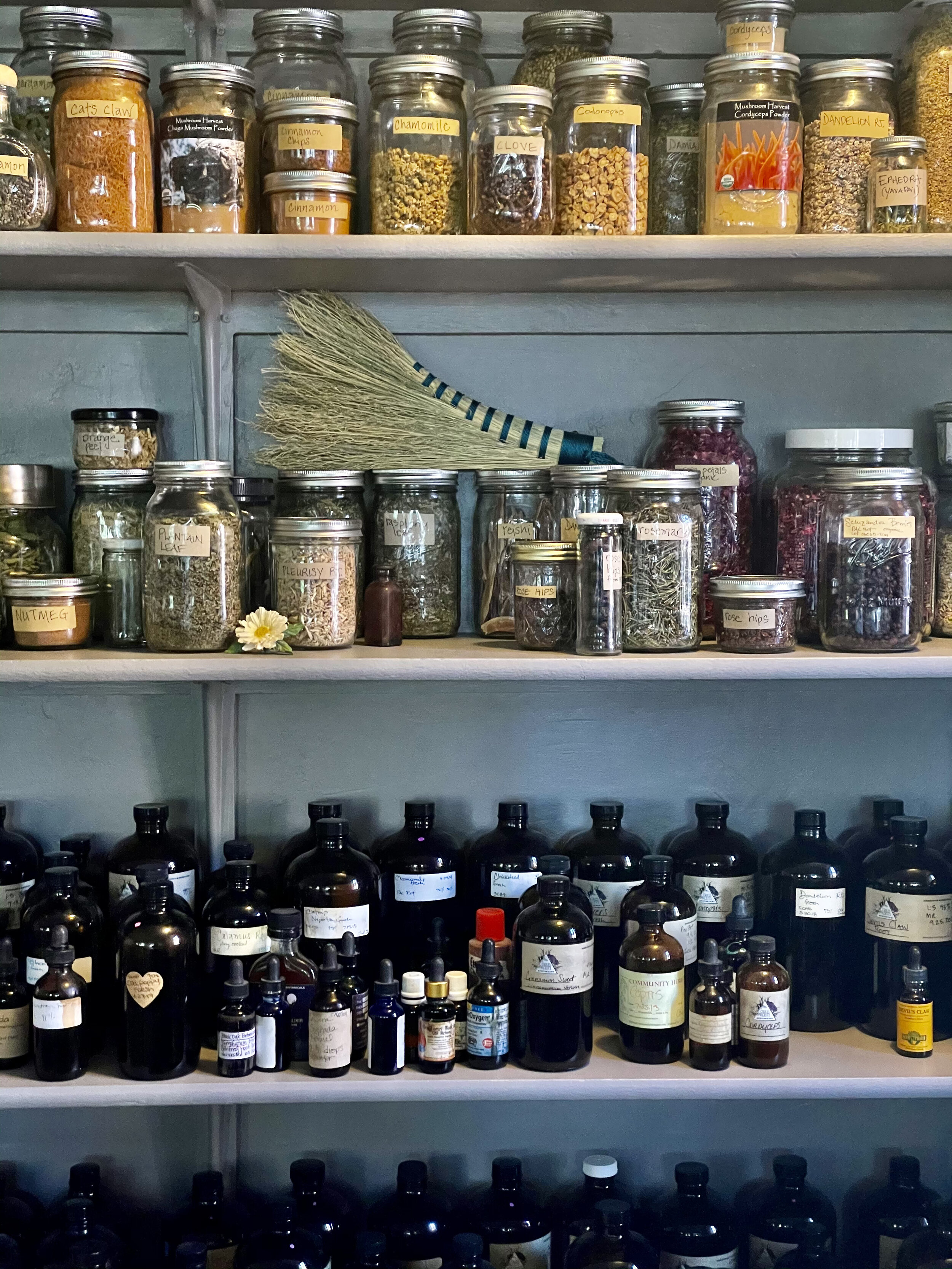
Custom formulations
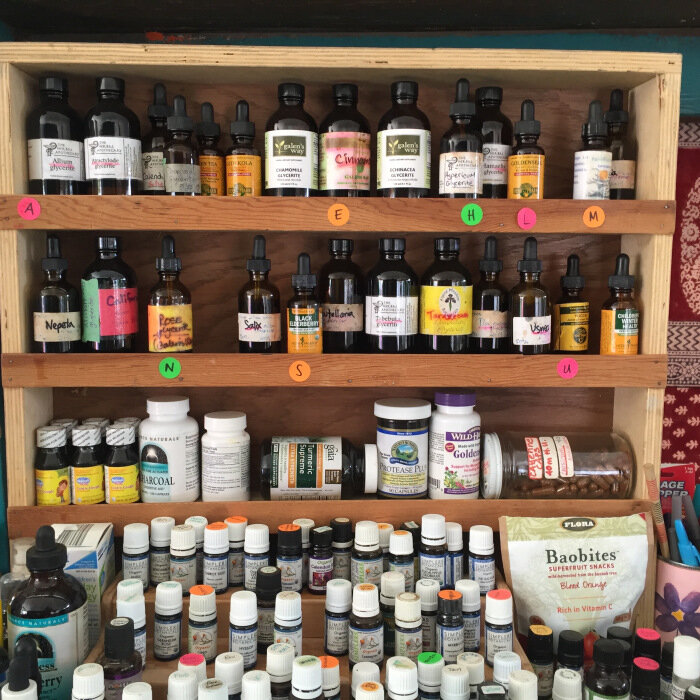
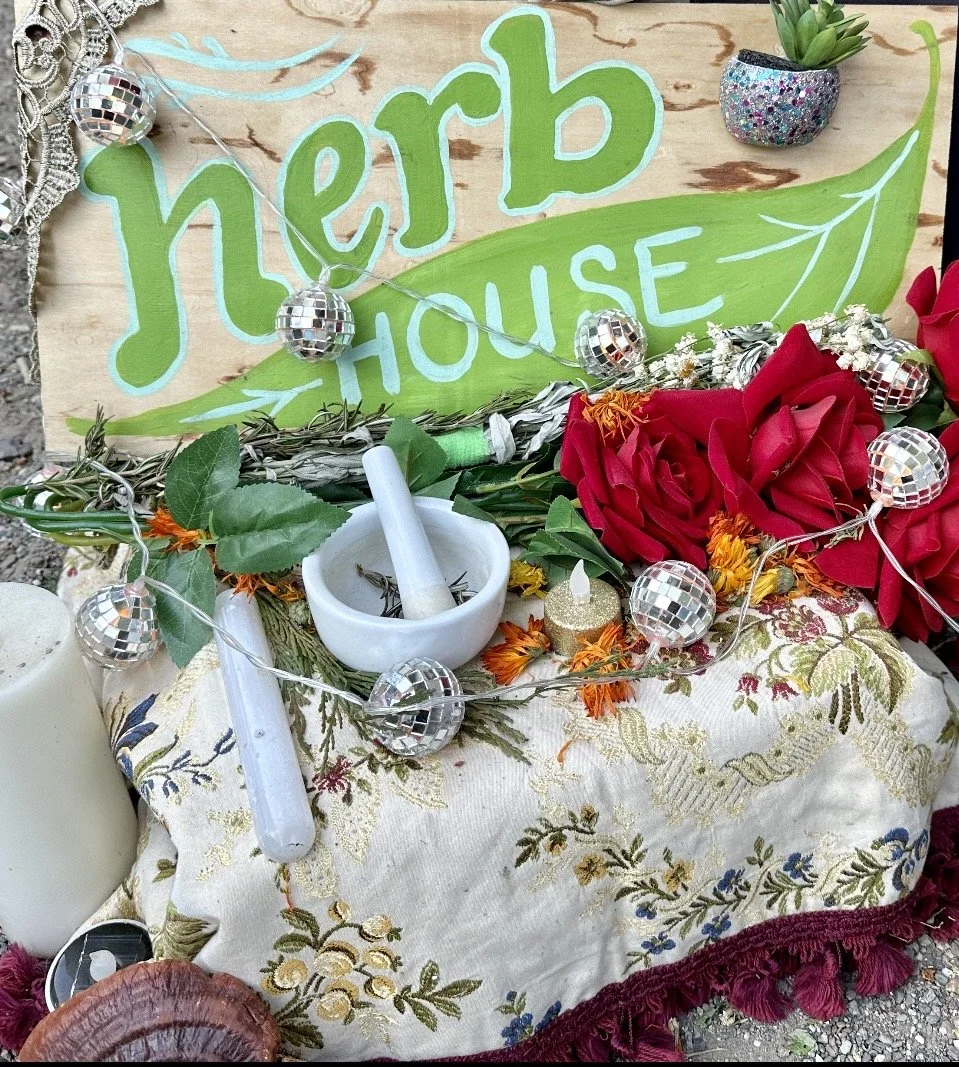
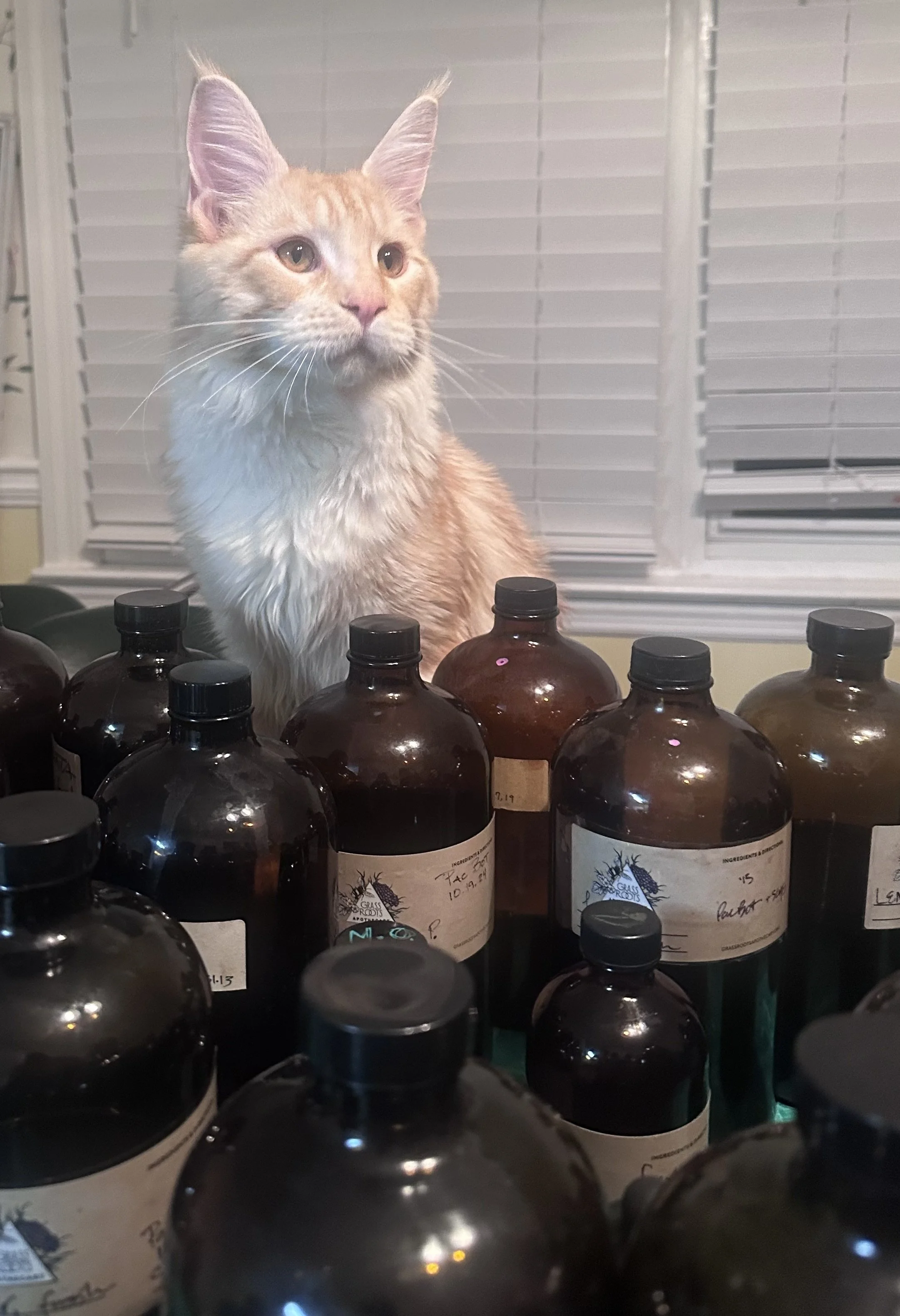
Community apothecary
Hydration
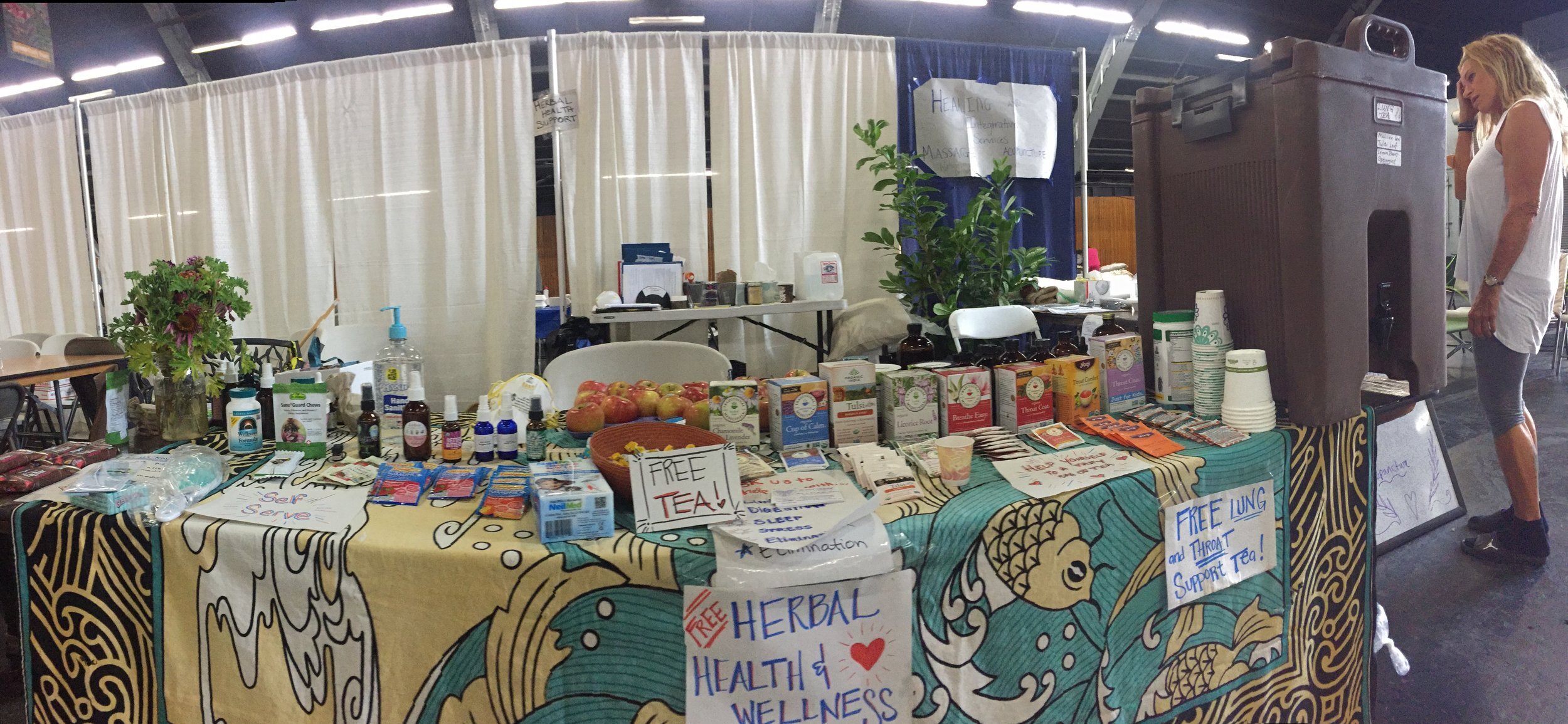
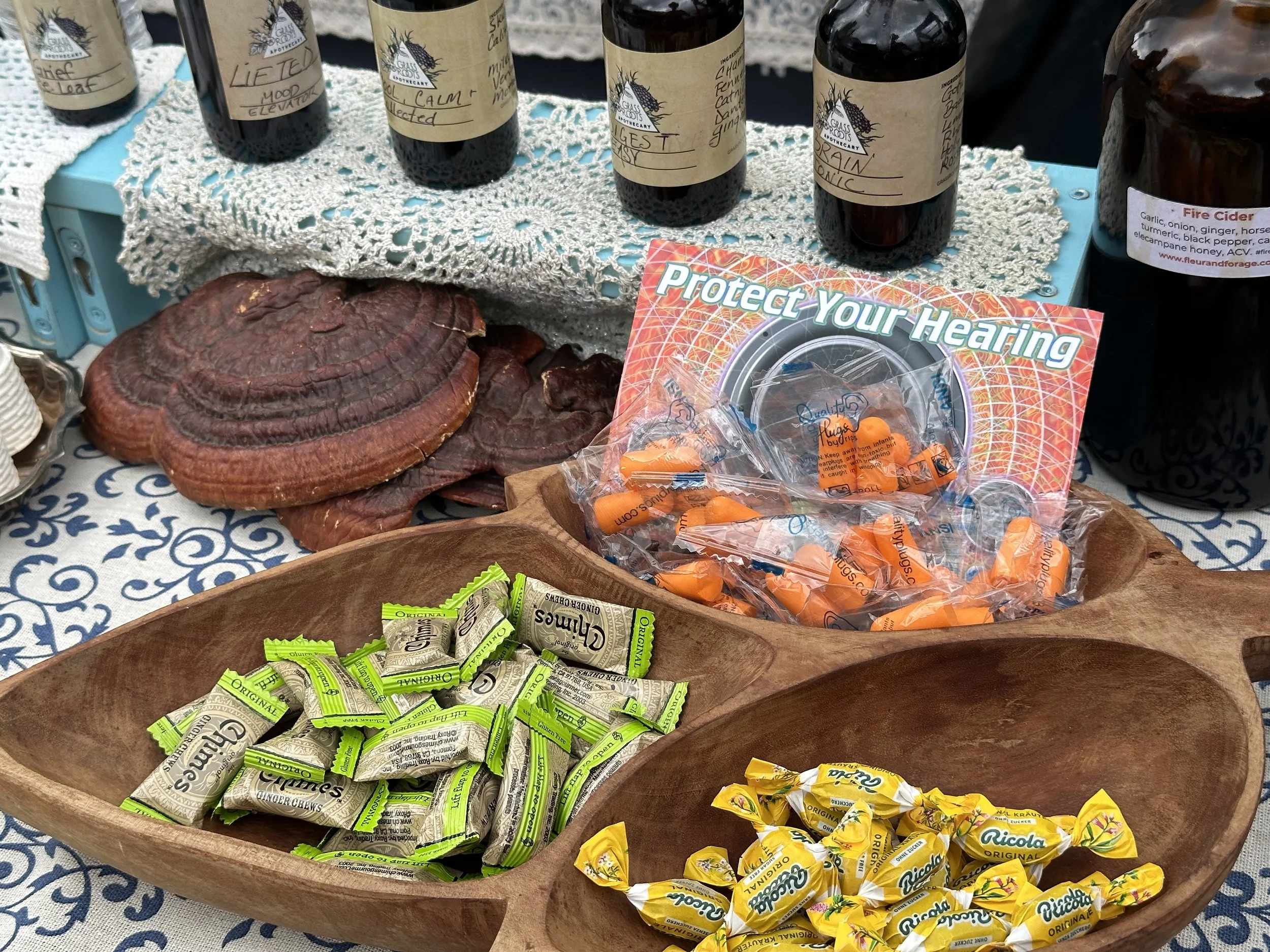
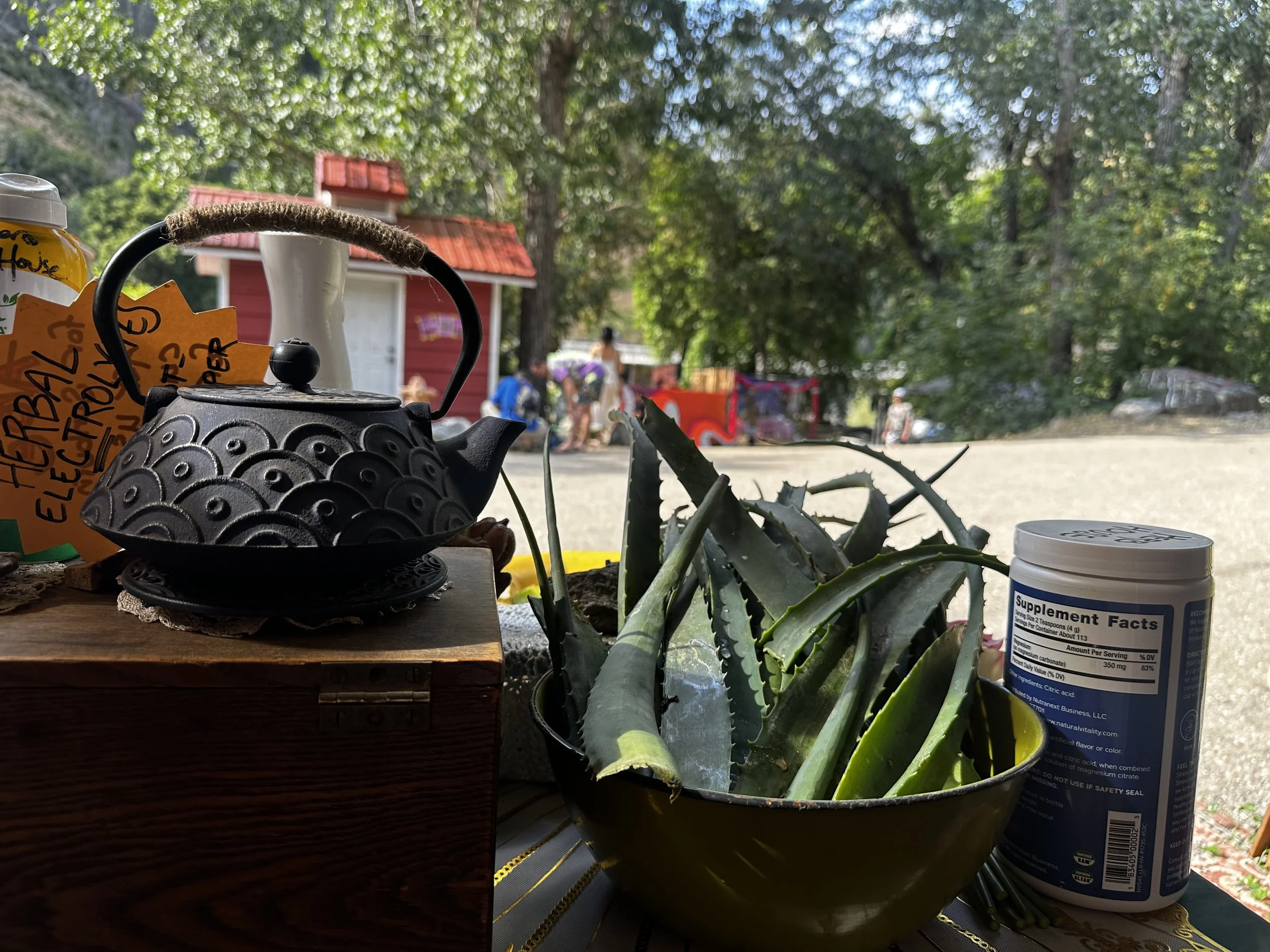
Herbal electrolyte station
Heat illness prevention
Hydration education
Risk Reduction
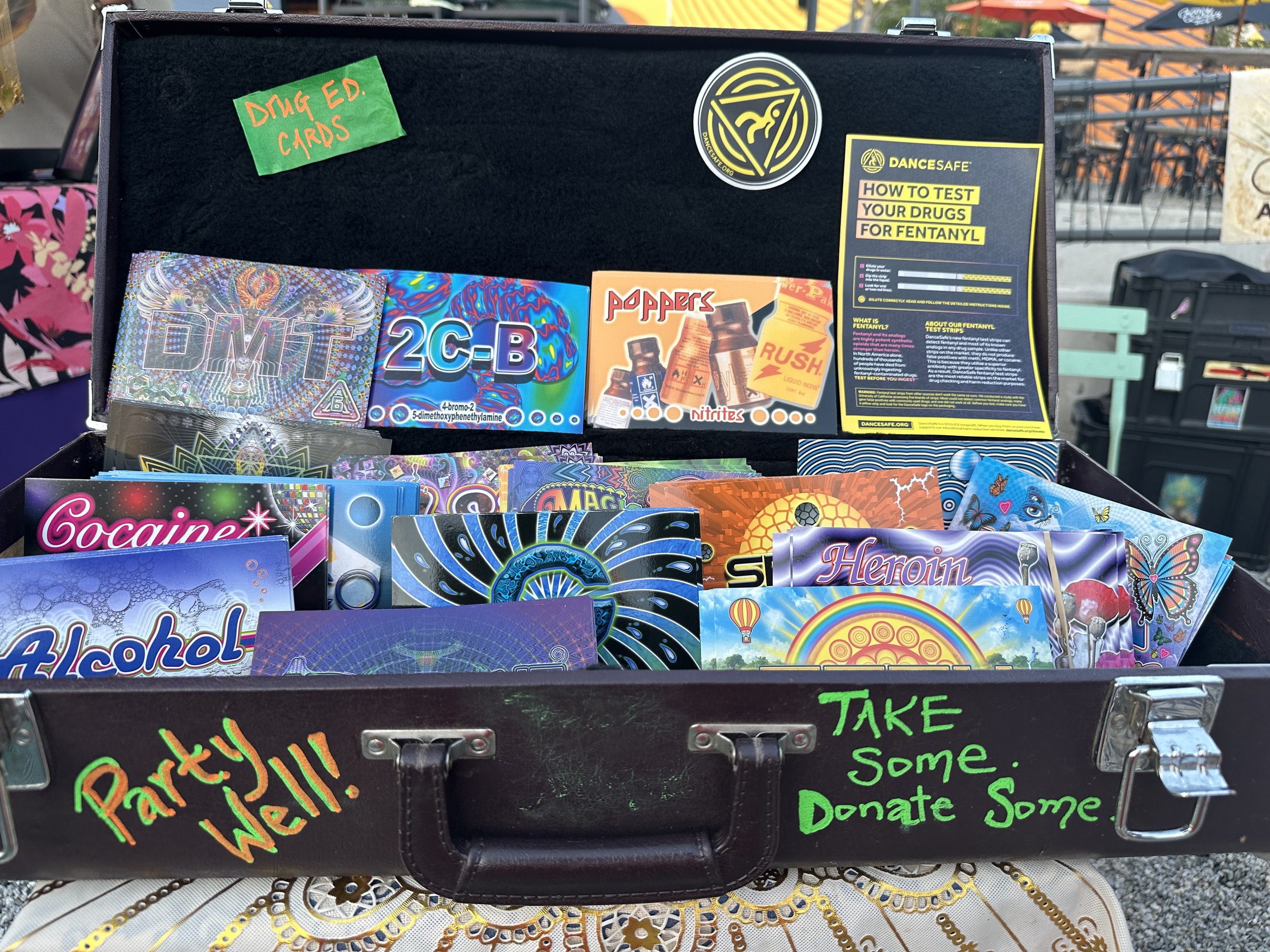
Safer-use resources
Drug education
Earplugs
Referrals
Education
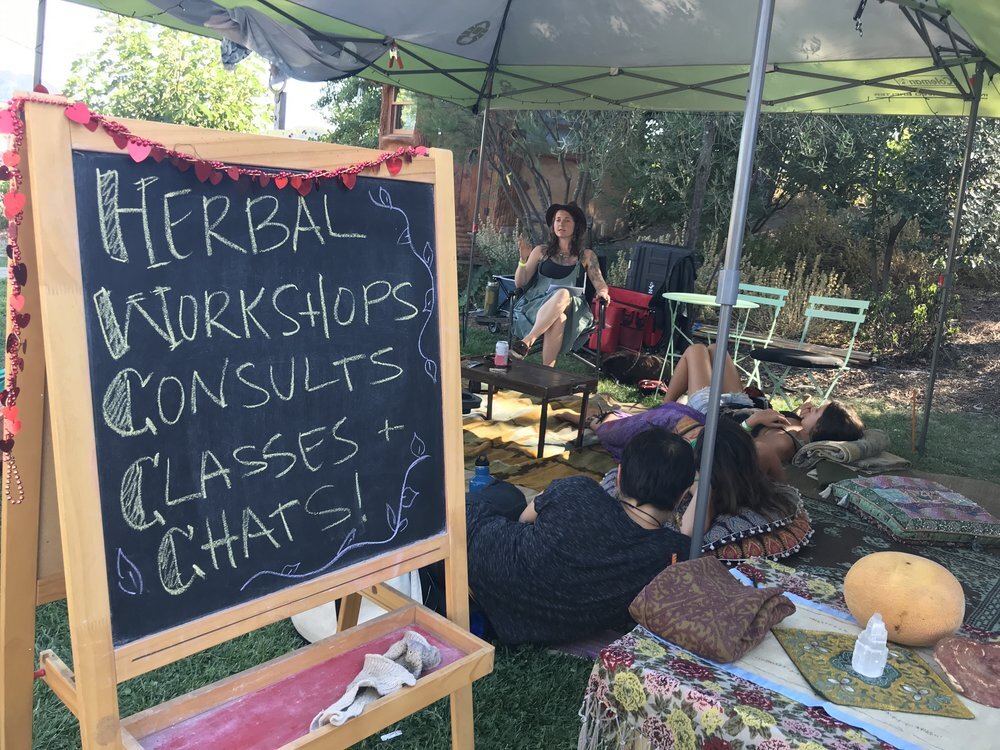
Mini teaching moments
Workshops
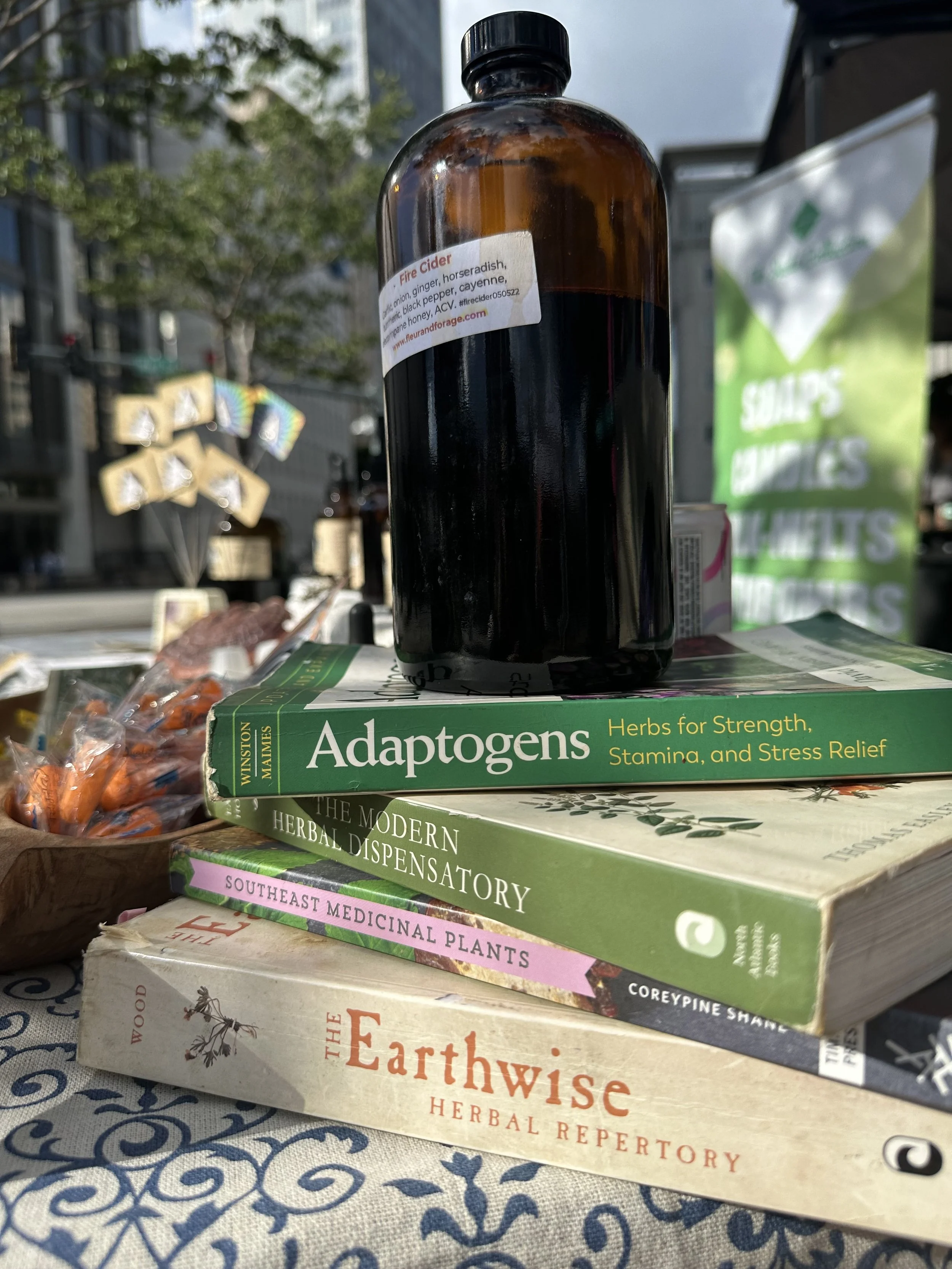
Printed resources
Public health education
Guiding Principles
Clear scope of practice
Trauma-informed, participant-centered care
Collaborative relationships with organizers, medical teams, and harm reduction staff
Adaptability to the unique needs of each event
Respect for the plants, the people, and the place hosting the gathering
Beauty, hospitality, and environmental design as pathways into relationship with plants and community care
Scope of Practice
All care is provided within a clearly defined scope of practice and a strict Do No Harm ethic. We follow sanitation standards and the scope of practice established by the American Herbalists Guild. We assess, observe, educate, and support. We do not diagnose or practice medicine.
Collaboration
No one builds this work alone. Every clinic I've helped create has been shaped by herbalists, street medics, wellness practitioners, organizers, volunteers, and teachers who have generously shared their knowledge over the years. I'm grateful to be one participant in that ongoing tradition.
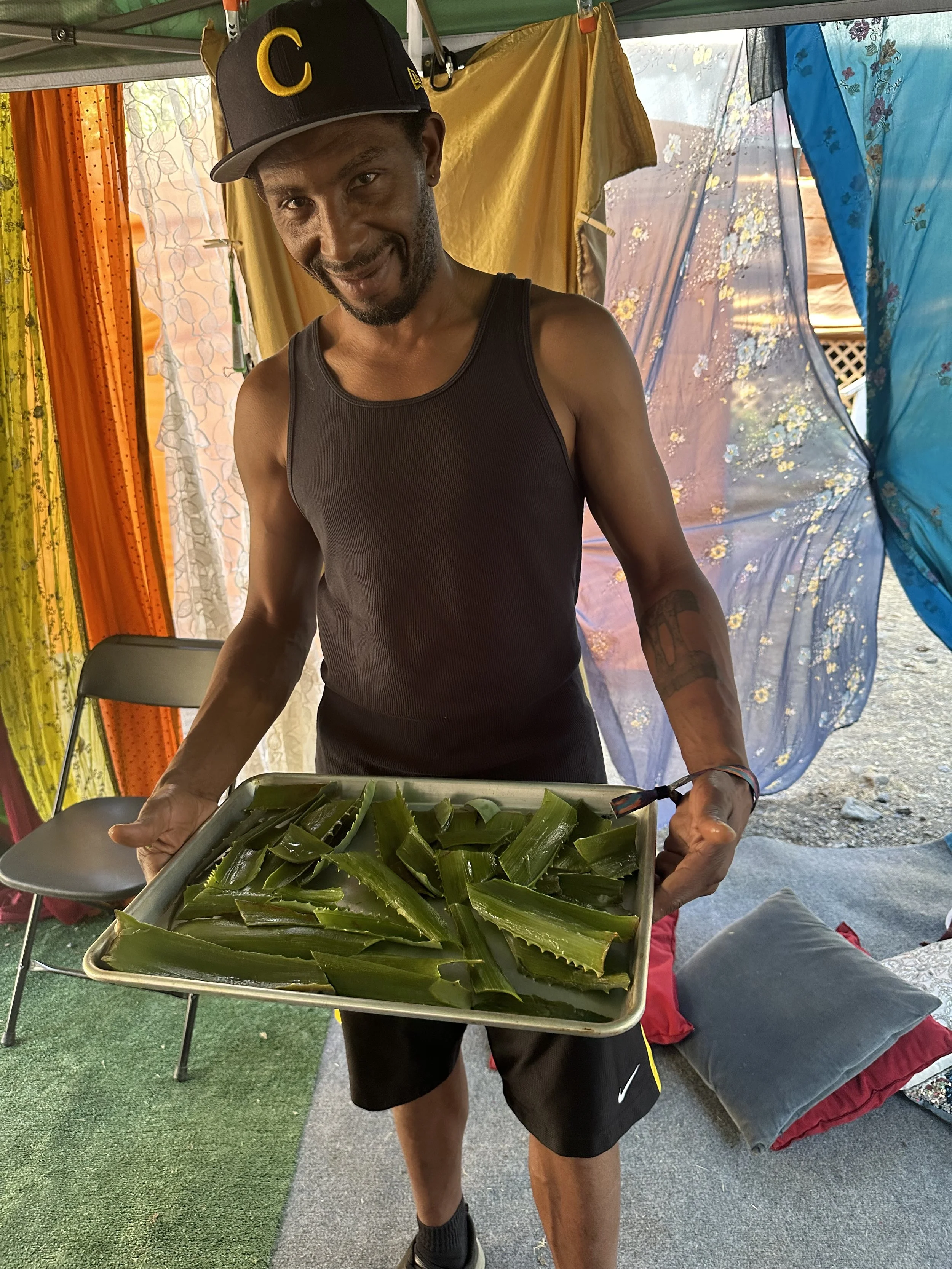
Every installation is also a teaching space. Whenever appropriate, we mentor herbalists, students, and volunteers so practical skills and clinical experience remain shared within the community.
Whether you're an event producer, herbalist, student, wellness practitioner, or someone interested in building healthier gatherings, there are many points of entry into this work.
Let's continue building the mycelial network together.
Event Collaborations
Sunset Campout, 4 years
Symbiosis Gathering & Oregon Eclipse Festival
Envision Festival, Costa Rica, 2 years
Northern California Permaculture Convergence
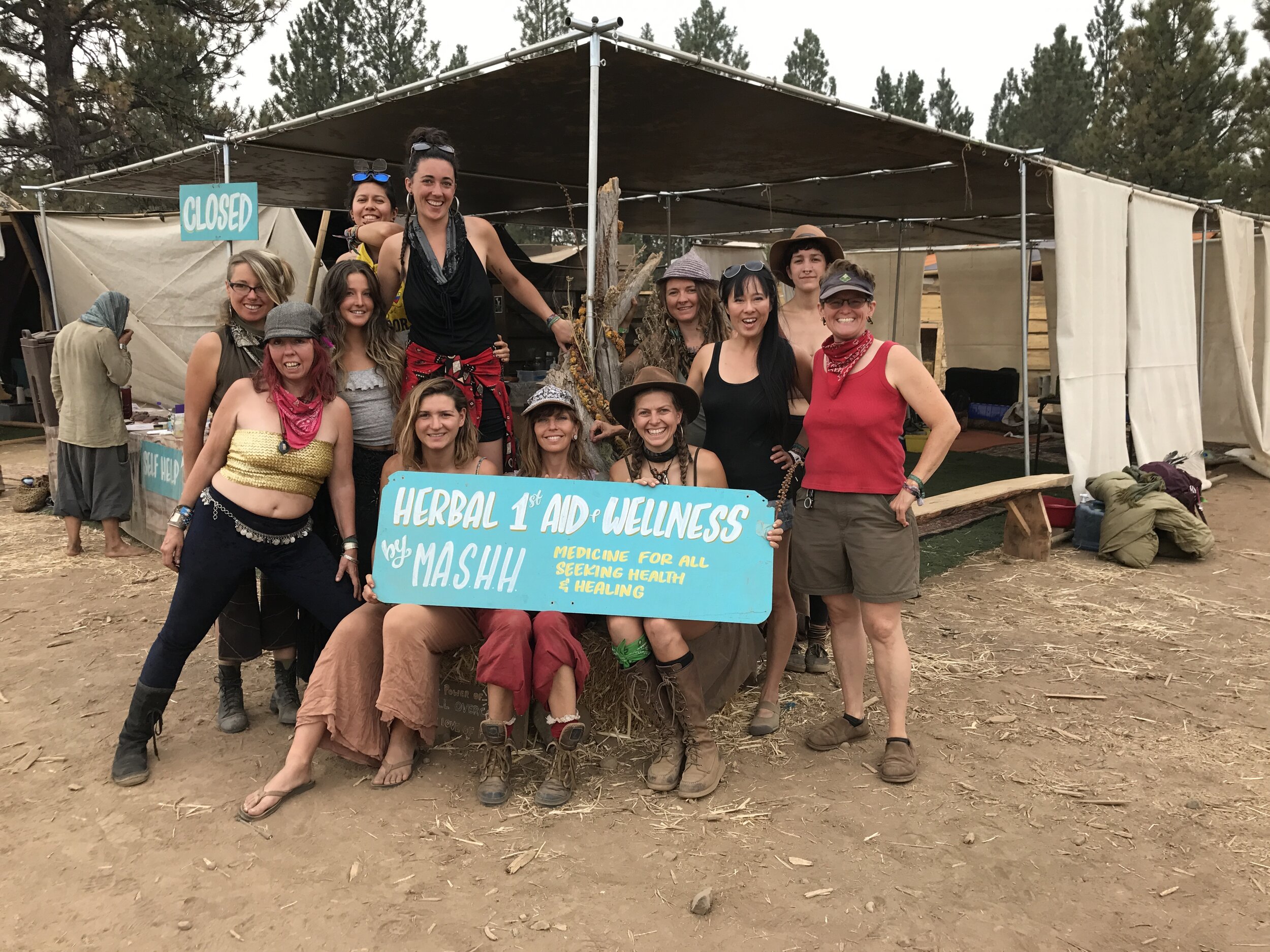
Women's Herbal Symposium, with MASHH, over a decade
Buckeye Gathering, with MASHH, a decade
Zendo Project at Burning Man (individual volunteer)
Fleur + Forage Free Herbal Clinic, offering clinician support to marginalized and unhoused relatives in Atlanta, 4 years
Mutual aid, disaster response, and Indigenous-led community actions, nearly 2 decades
This work is rooted in traditions of community care shaped by countless herbalists, street medics, teachers, organizers, Indigenous communities, and mutual aid networks. It exists because so many people have generously shared their knowledge, experience, and wisdom across generations. Every gathering continues that tradition and teaches something new.
Community-Supported Medicine
These installations are sustained through partnerships with organizers, herbal medicine sales, educational offerings, and community contributions. Together they make it possible to keep community care visible, accessible, and rooted in relationship. Rather than existing outside the gathering, each installation becomes part of how the community cares for itself.
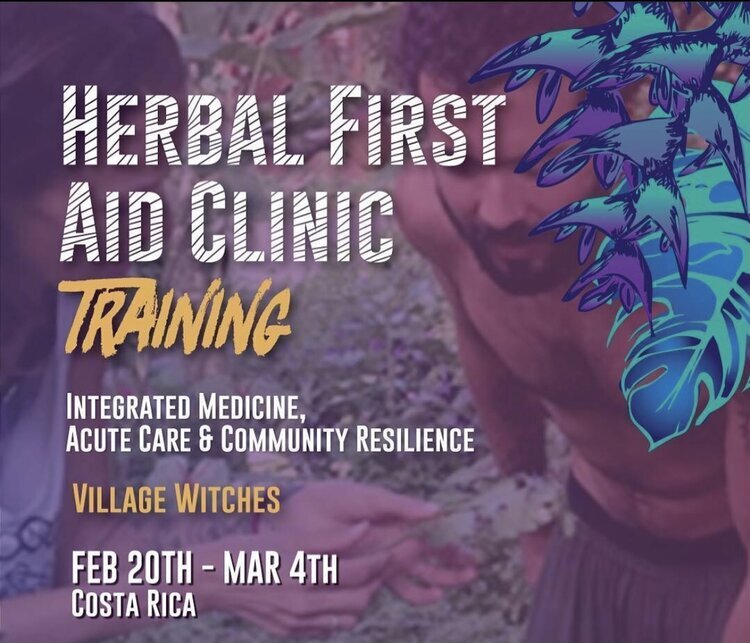
This work has been shaped by many people and organizations, including MASHH (Medicine for All Seeking Health and Healing), Village Witches, Ecology Academy, Women's Herbal Symposium herbalists, mutual aid disaster relief networks, and countless clinicians, herbalists, street medics, organizers, and volunteers. My deepest gratitude to everyone who has generously shared their knowledge and helped make plant medicine more accessible within their communities.
Interested in bringing a Community Health Outpost to your gathering?
I'd love to talk about what would best support your community.
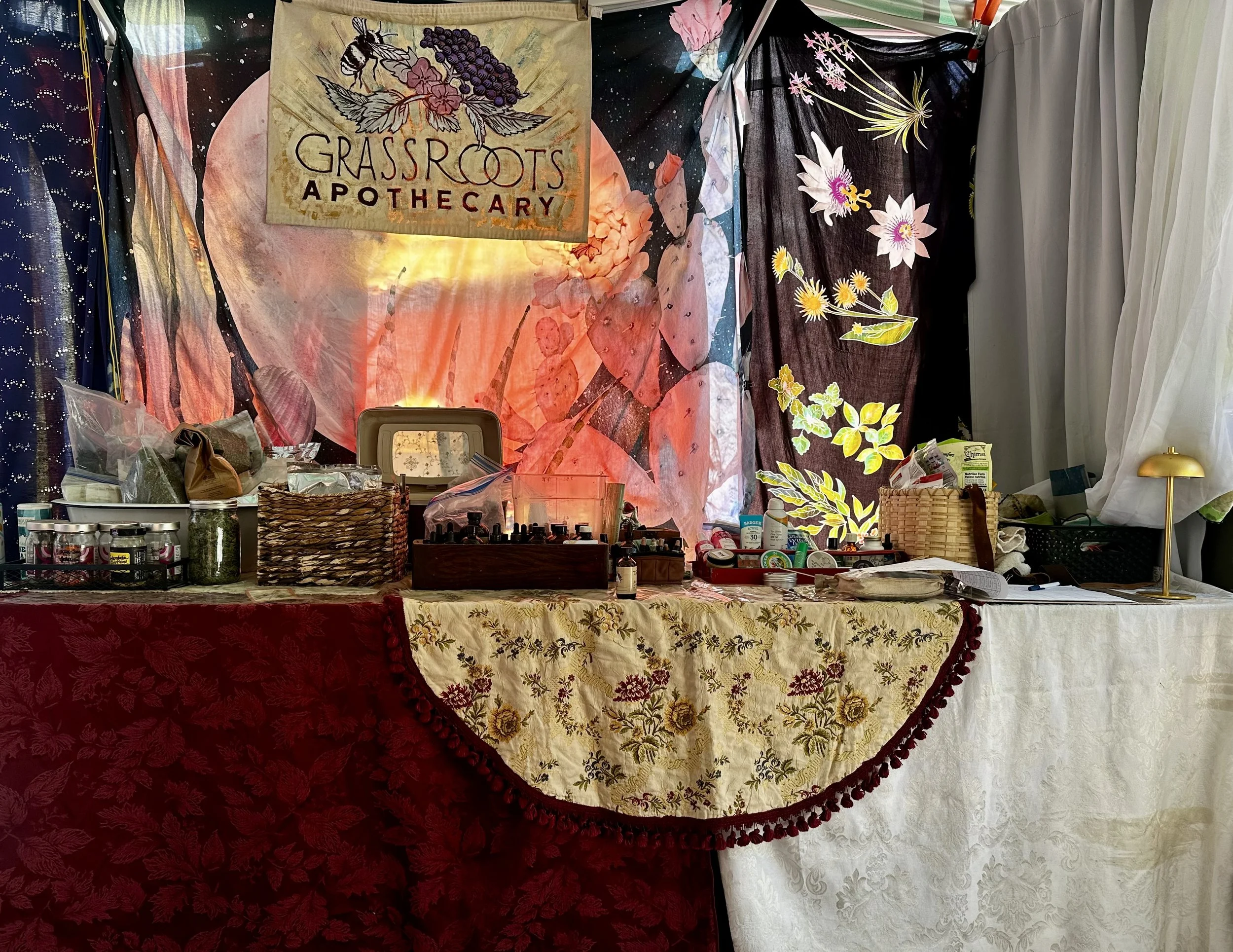
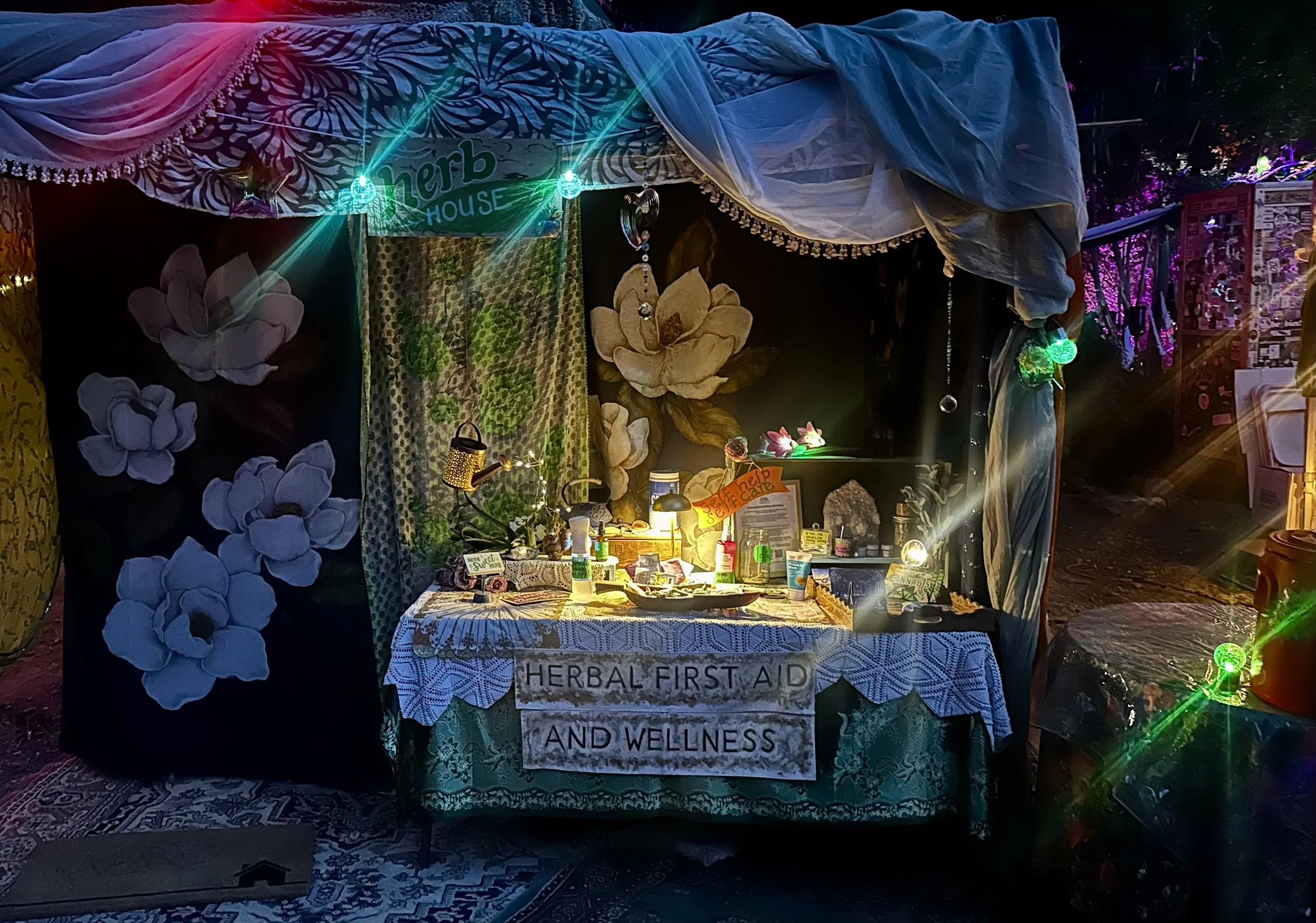
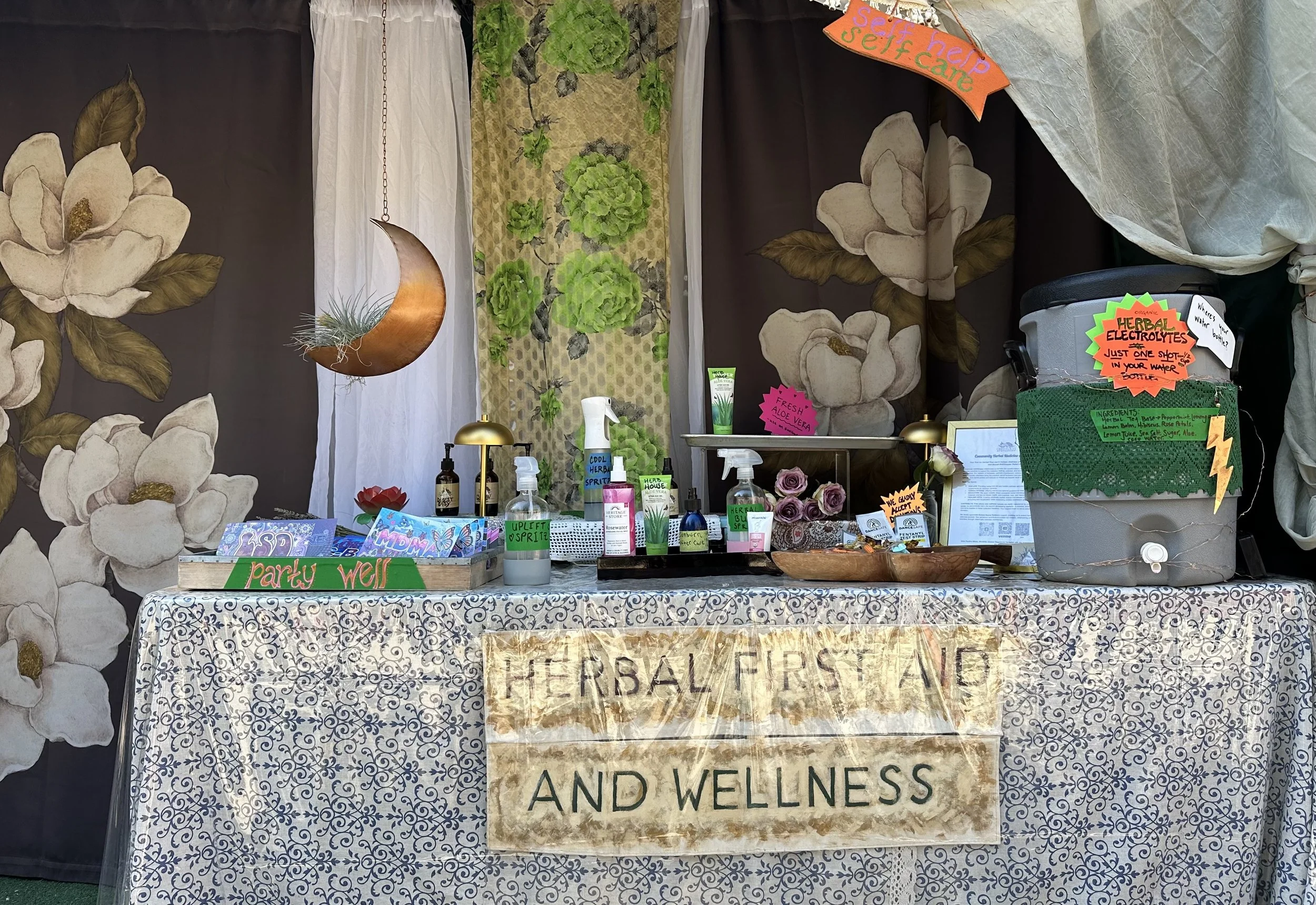
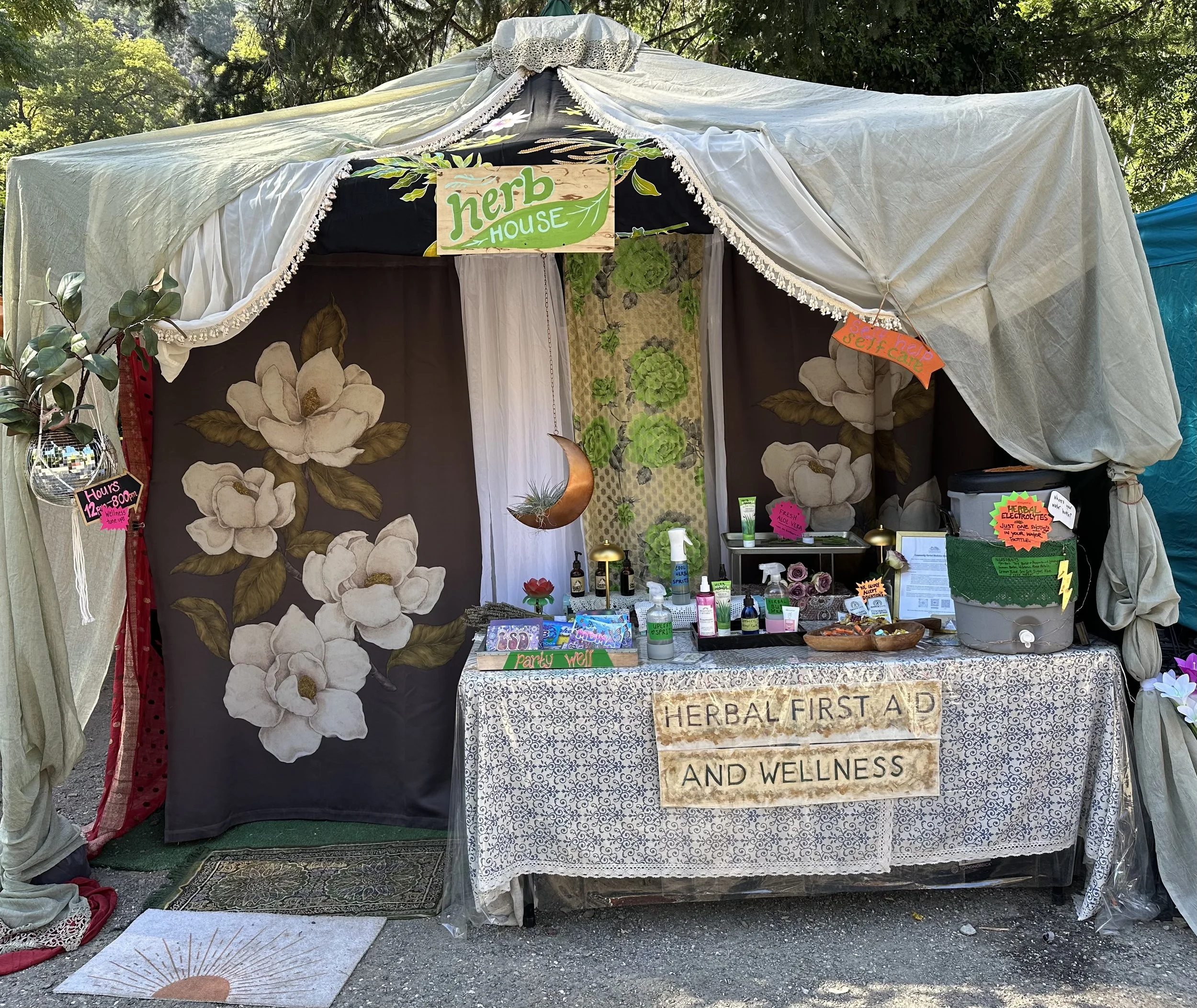
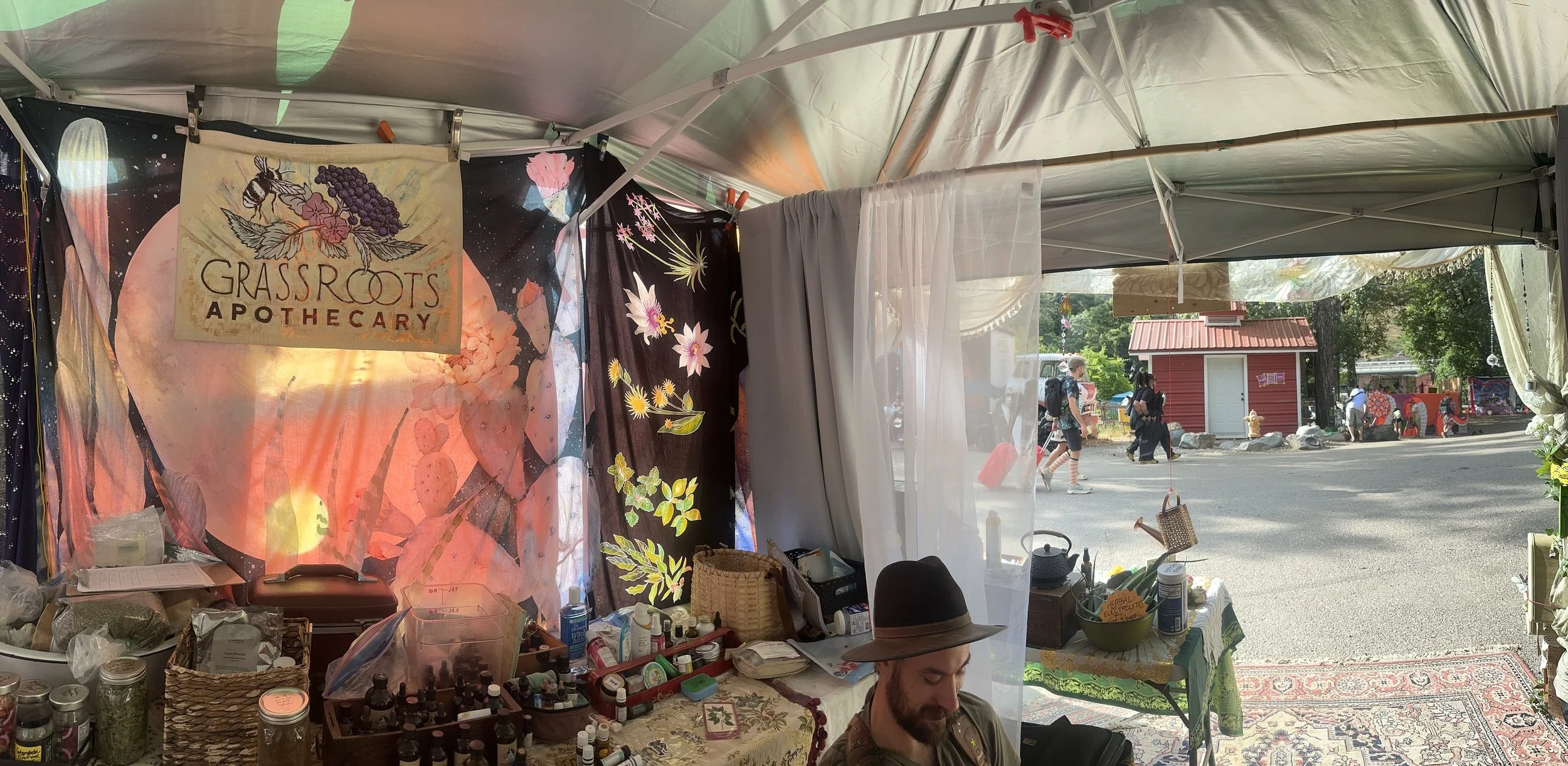
Strong operations are a form of stewardship.

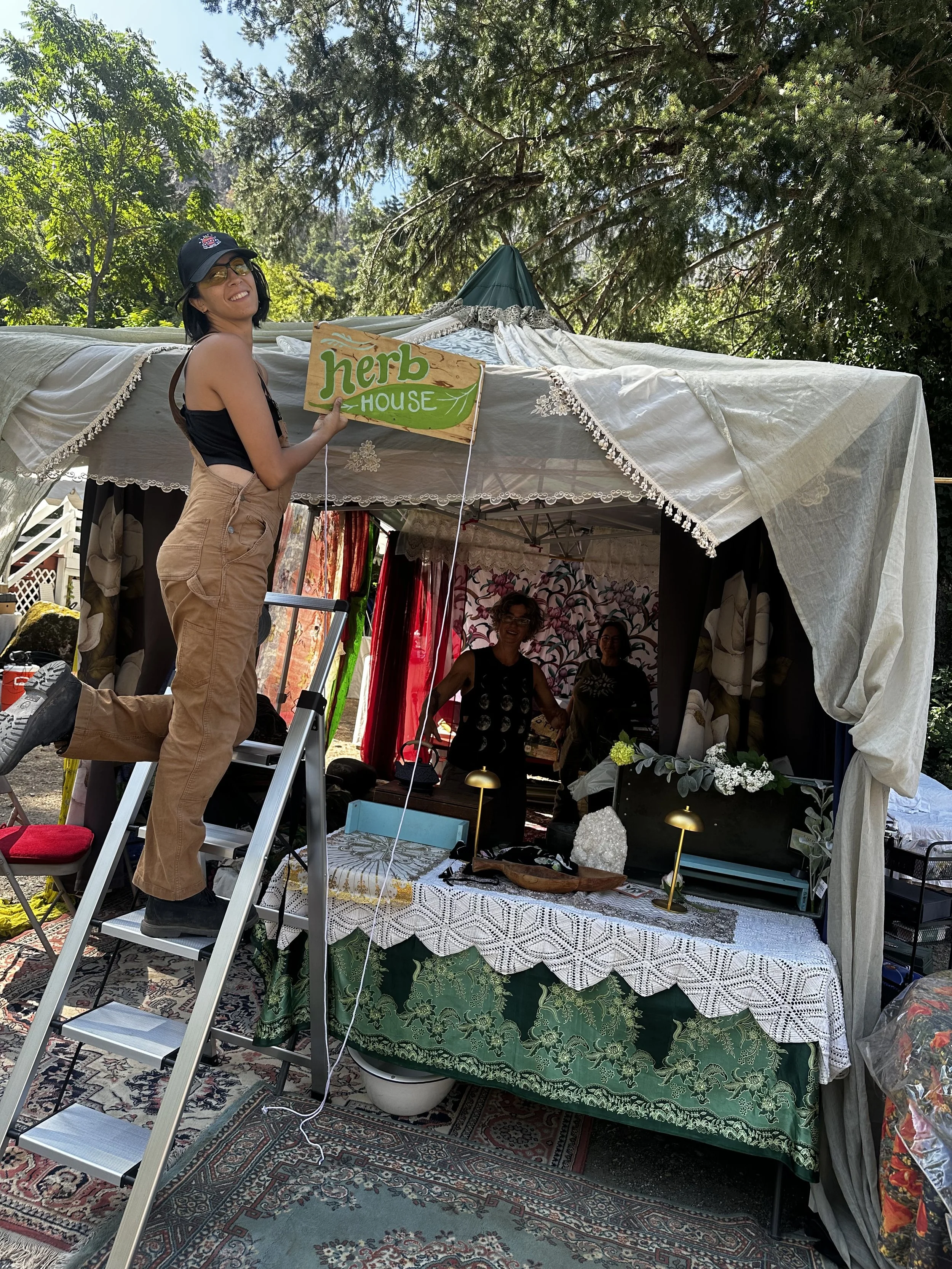
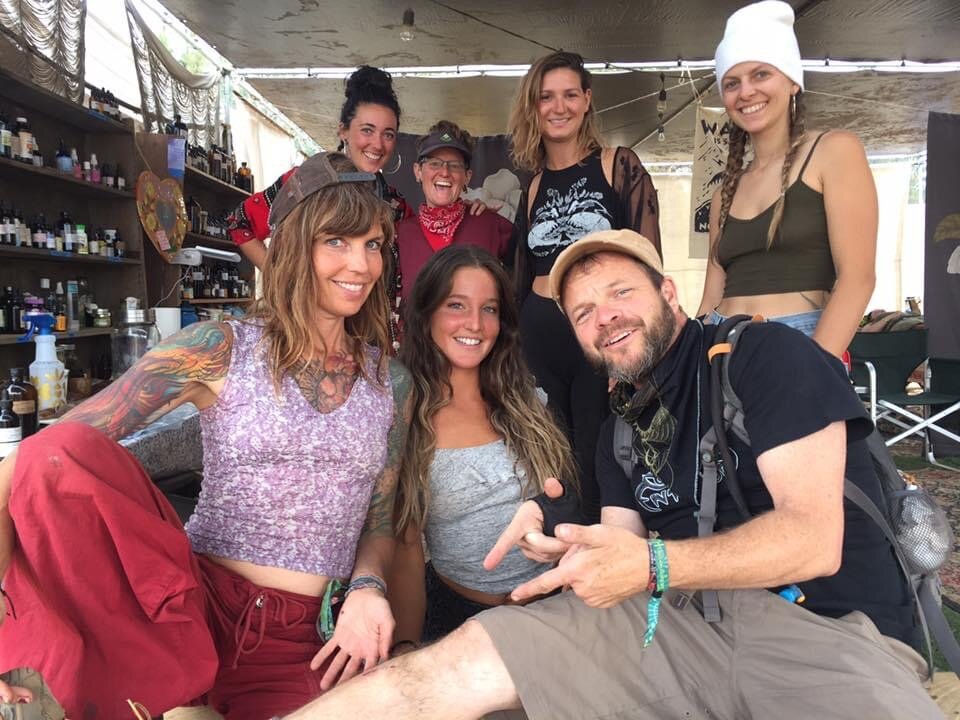
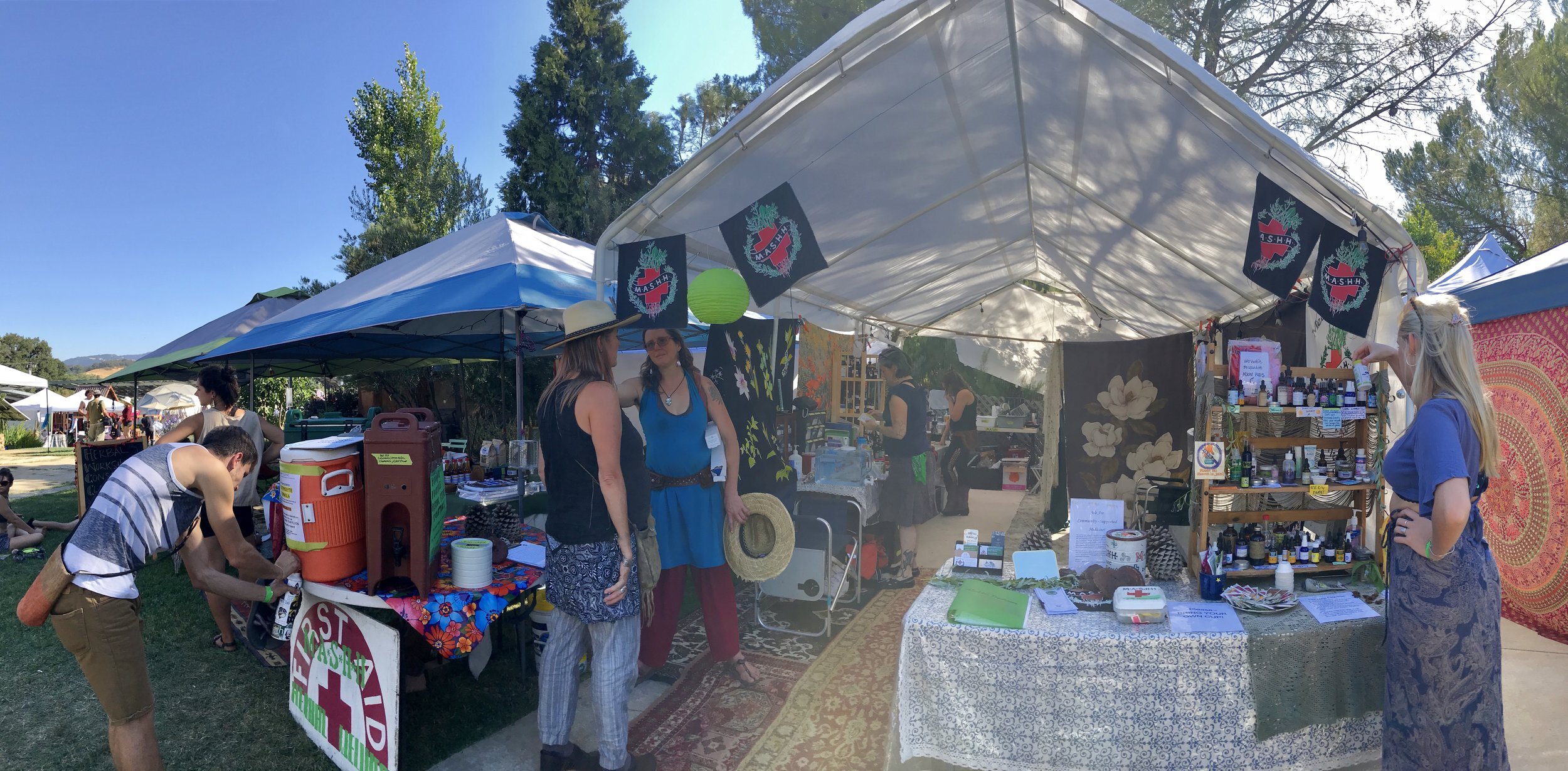
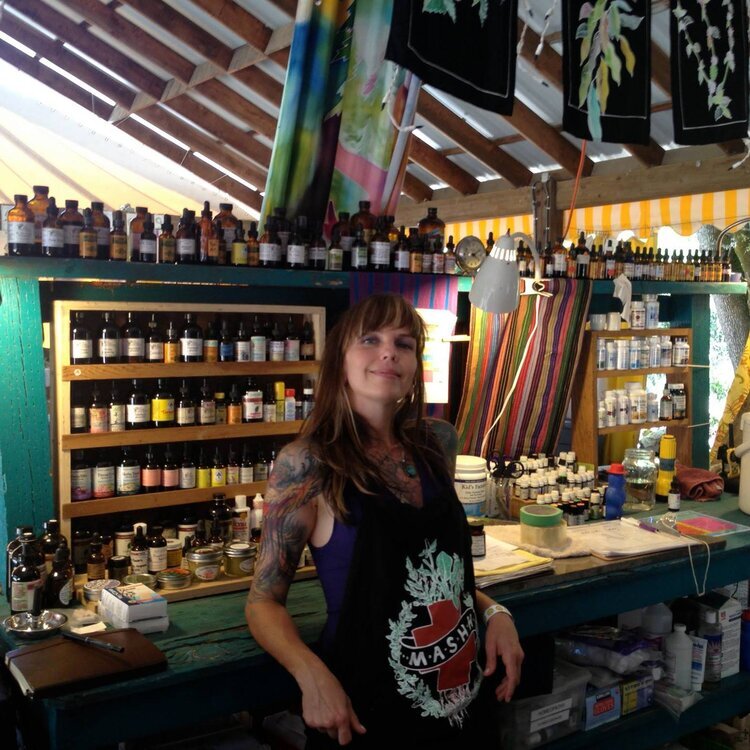
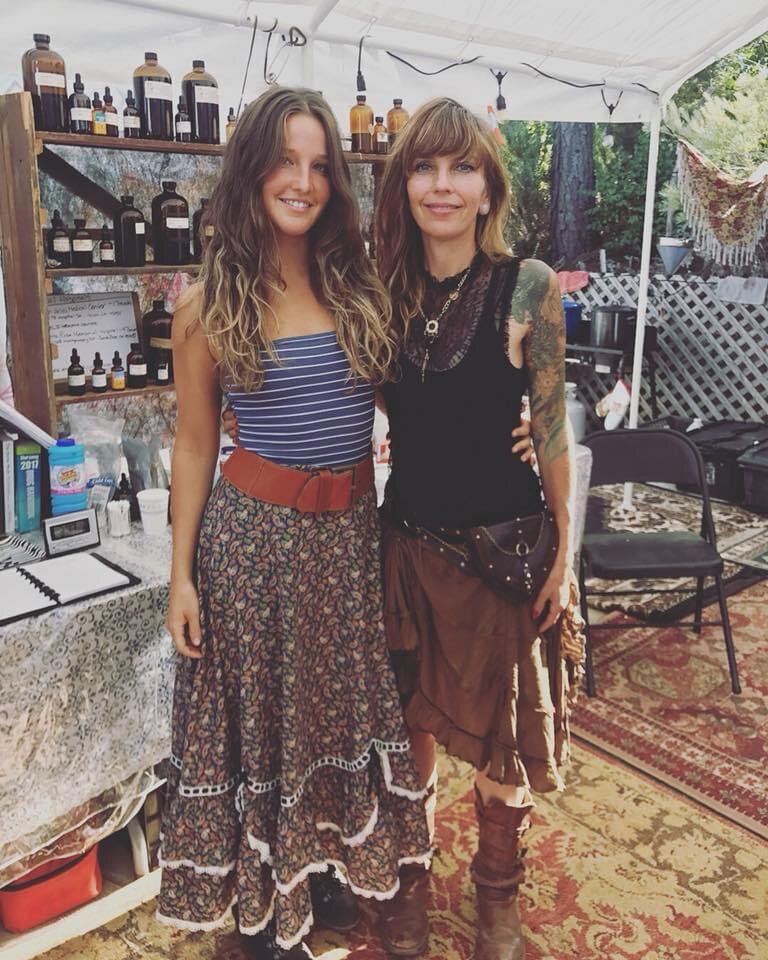
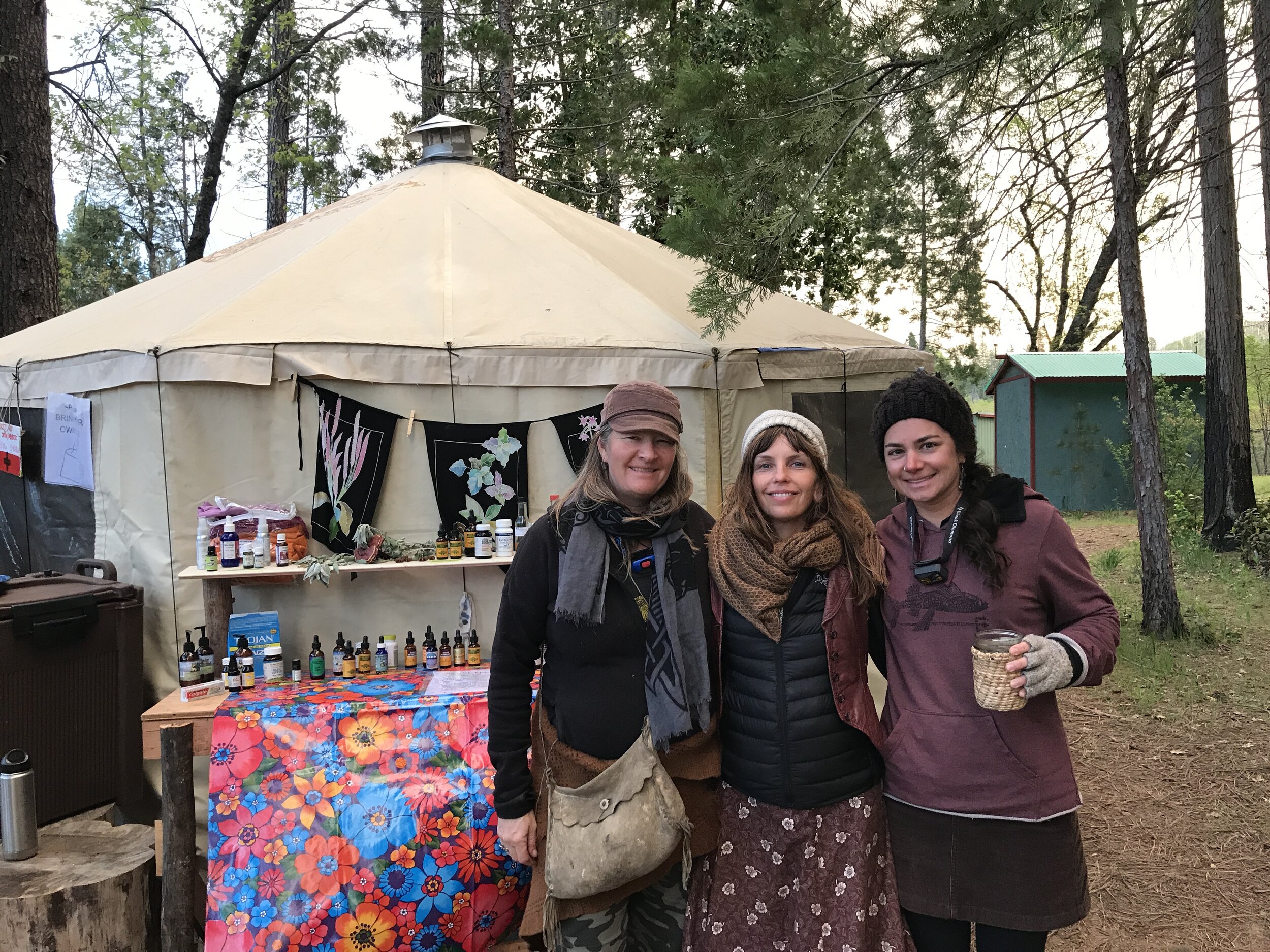
Symbiosis International Eclipse Festival with 55,000+ event attendees. We had a crew of 16 practitioners spanning over a week and in collaboration with our friends and neighbors who created and ran a tea house.